

What a Villa and Resort General Contractor Is Responsible For

Most clients assume a general contractor is just the one who “builds the project.” In reality, that’s only a fraction of what they’re responsible for, especially in complex projects like villas and resorts in Bali.
A Villa and Resort General Contractor is the one party tasked with delivering the construction in full. That means they manage all subcontractors, procurement, site activities, technical implementation, cost exposure, sequencing, and logistics from start to finish. They don’t just show up and start building. They coordinate the entire machine.
Core Responsibilities You Should Expect from a GC:
- Trade Coordination: The GC scopes, selects, and manages all subcontractors—civil, structural, MEP, finishing, etc.
- Contractual Execution: They hold contracts with all trades and vendors and carry the liability for delivery.
- Procurement Oversight: They manage purchasing, deliveries, and site readiness for imported or time-sensitive materials.
- Schedule Control: The GC builds and updates the construction program, sequencing trades and resolving conflicts.
- Cost Risk Management: They track variations, flag exposure, and validate that changes are built within budget limits.
- Site Management: The GC is responsible for safety, site control, work quality, and inspection compliance.
- Project Management: Working with appointment Project Manager and/or providing dedicated PM for the project, responsible for overseeing the success of the project


Building the right team for the project
Clients often think of “tendering” as the process of hiring a general contractor. But that’s just the first layer. Once appointed, a Villa and Resort General Contractor must then tender out every part of the build—structure, MEP, finishing, custom trades, and suppliers.
This internal tendering process determines who will actually build the work and what materials will be used. If it’s done poorly, you’ll see delays, cost creep, and quality failures within months.
What a GC Should Do During Tendering
- Break down works into clear trade packages
- Identify overlaps, exclusions, and scope risks
- Invite multiple qualified bidders per scope
- Compare pricing, technical compliance, and deliverables
- Check lead times and resource availability
- Recommend based on value, not just price
How a Strong GC Adds Value During Tendering
| Task | Weak GC | Qualified GC |
|---|---|---|
| Trade Package Breakdown | Generic, vague scopes | Detailed, discipline-specific breakdowns |
| Subcontractor Vetting | Based on convenience or relationships | Based on past performance, capability, and scope |
| Bid Review | Picks lowest price | Assesses scope coverage and technical compliance |
| Client Involvement | Leaves client guessing | Presents comparisons, clarifies trade risks |
| Commercial Terms | Overlooked or informal | Documented, negotiated, and enforced |
Defining Scope, Liability, and Risk Allocation
Once subcontractors and vendors are selected, the general contractor’s next critical function is contract execution. This isn’t just paperwork. It defines who’s responsible for what, what happens if they fail, and how cost and risk are managed throughout the build.
For villa and resort construction in Bali, where you’re dealing with high-value finishes, imported systems, and custom detailing—contractual clarity is what protects you from delays, cost disputes, and liability loopholes.
A qualified Villa and Resort General Contractor should not only issue contracts, they should manage the entire contract lifecycle across every trade and vendor involved.
What These Contracts Should Define
- Scope of work per trade — precise deliverables, not vague task lists
- Payment terms — linked to milestones, progress claims, and verification steps
- Time obligations — start dates, durations, and penalties for delay
- Quality standards — references to drawings, specs, and performance benchmarks
- Change order process — how additional work is proposed, priced, and approved
- Defect liability — responsibilities for fixing problems before and after handover
Lead Times, Finishes, and Material Quality
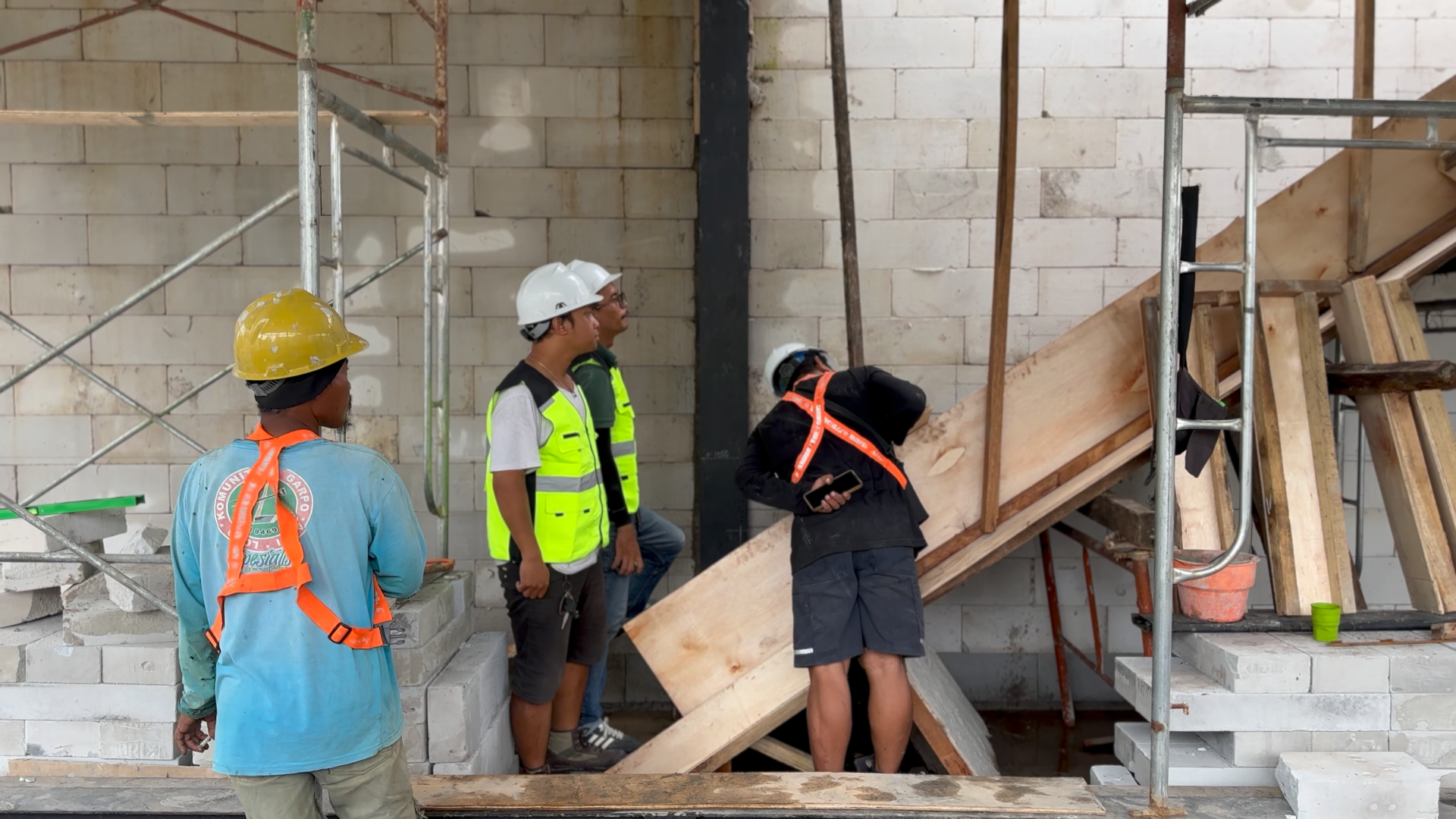
Procurement is where project risk either gets locked in or neutralized. If the wrong items are ordered, if finishes are unavailable, or if materials arrive late—everything else breaks: schedule, sequencing, quality, and cost.
In Bali, procurement is one of the most volatile parts of any construction project. Many key items, fixtures, lighting, appliances, joinery materials, stone, hardware, are imported or semi-custom. Availability is limited, lead times are long, and supplier reliability is inconsistent.
This is why the General Contractor must own procurement from start to finish.
What Procurement Involves at the GC Level
- Identifying all client- and GC-supplied items by category
- Building procurement schedules tied to the master construction program
- Coordinating with vendors and consultants on specs, finishes, and submittals
- Confirming sample approvals before bulk order
- Placing orders at the right time—not too late, not too early
- Tracking shipments, delivery schedules, and on-site readiness
- Ensuring storage and handling of materials to prevent damage
Delays in procurement are usually the root cause of build delays. One missing component can delay an entire trade handover—like tiles holding up waterproofing, or lights holding up ceiling closure.
Procurement Risks When Mismanaged
- Custom items not ordered early → project delays
- No procurement tracking → gaps in workflow
- Items ordered before final approval → wasted cost
- Incorrect specifications → quality issues on site
- No storage or protection plan → damaged goods, reordering needed
A qualified GC doesn’t just “check in” with suppliers, they manage procurement like a construction discipline. There’s no build progress if materials aren’t onsite, ready, and correct.
Controlling Budget Exposure Across Trades
In complex builds like villas and resorts, most cost blowouts don’t come from one mistake. They come from uncontrolled scope creep, vague contractor quotes, and poor variation tracking. General contractors are responsible for keeping this under control—but only if they have the right systems in place.
A qualified Villa and Resort General Contractor isn’t just watching invoices. They’re actively managing how much of your budget is locked in, exposed, or at risk.
Key Areas the GC Should Control:
| Cost Category | GC Responsibility | Risk If Unmanaged |
|---|---|---|
| Subcontractor Packages | Validate scope, pricing, and contract terms | Overlaps, exclusions, inflated quotes |
| Material Allowances | Verify quantities and pricing assumptions | Under-budgeted finishes, variations later |
| Variations and Change Orders | Document, price, and approve changes formally | Open-ended cost growth, disputes |
| Contingency Management | Track usage and remaining balance | Disappearing buffer, no control over overages |
| Progress Claims | Certify work completed before payment | Overpayment for incomplete work |
Cost Exposure Checklist
If your GC isn’t doing these five things, you’re likely bleeding money:
- Reviewing and validating every trade quote
- Rejecting lump-sum numbers with vague scope
- Running variation requests through a structured approval process
- Flagging budget risks before they appear
- Reporting real-time exposure vs. original budget
Cost control isn’t just the job of a QS or client-side PM. The GC is on the front line, and if they’re not managing trades, materials, and claims with discipline, no one is.
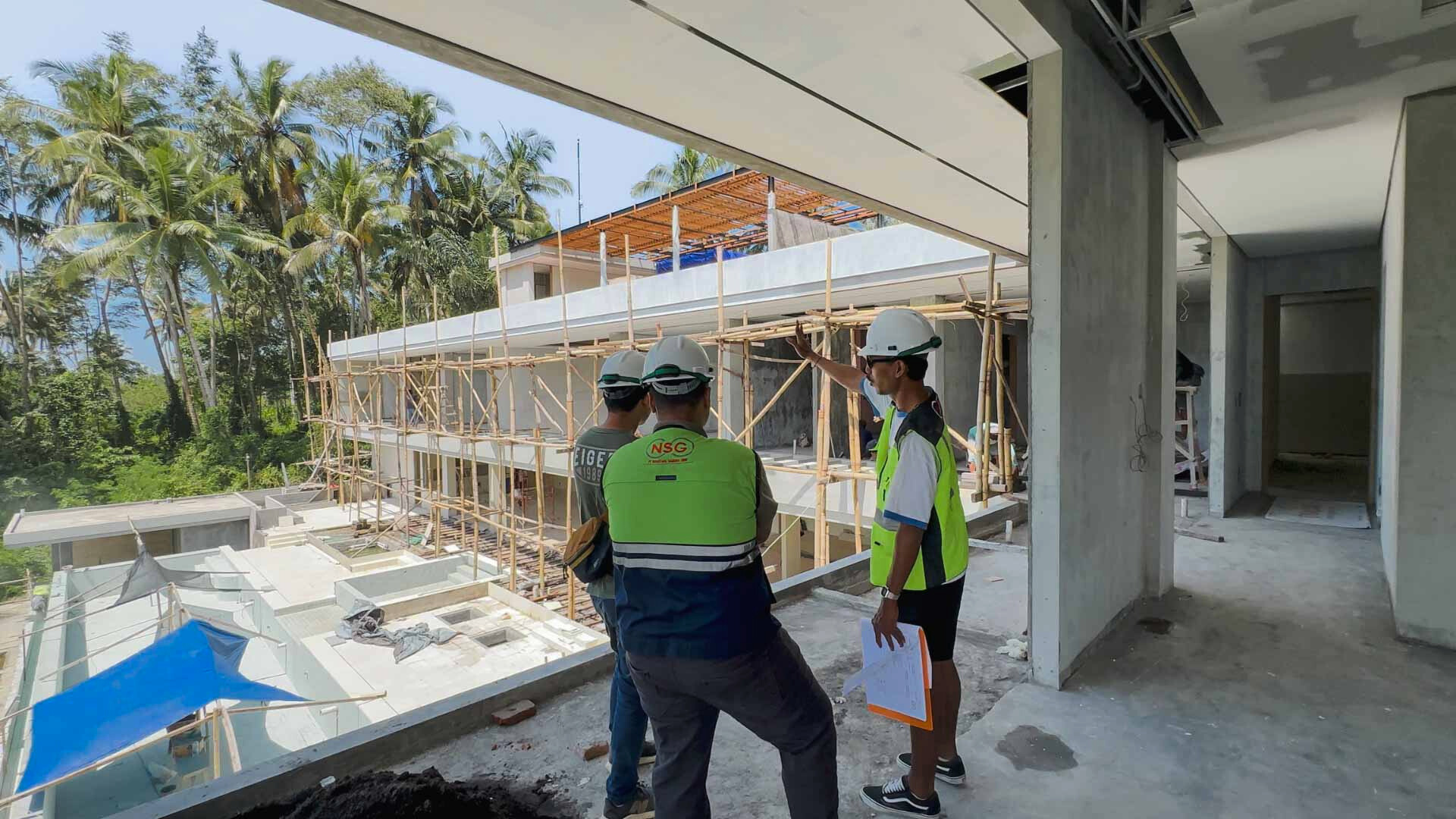

Building the Schedule and Coordinating All Teams
You can’t manage what you don’t plan. A schedule is not a document—it’s a control tool. And in villa and resort construction, where trades overlap, imported materials drive timing, and access is limited, poor planning is the fastest way to lose time, money, and control.
The Villa and Resort General Contractor owns the construction program. They don’t just make a Gantt chart, they use the schedule to drive procurement, trade sequencing, and daily execution.
What Planning Should Cover
- Start and end dates for every scope of work
- Long-lead procurement timelines
- Trade sequencing by area, not just by scope
- Milestones for inspections, testing, and approvals
- Weather contingency and access planning
- Integration with design and consultant deliverables
Good GCs run weekly lookaheads. They break down the 12-month schedule into two-week sprints that subcontractors actually follow. And when delays occur, they re-sequence, not just react.
Managing Movement of Materials, Workers, and Equipment
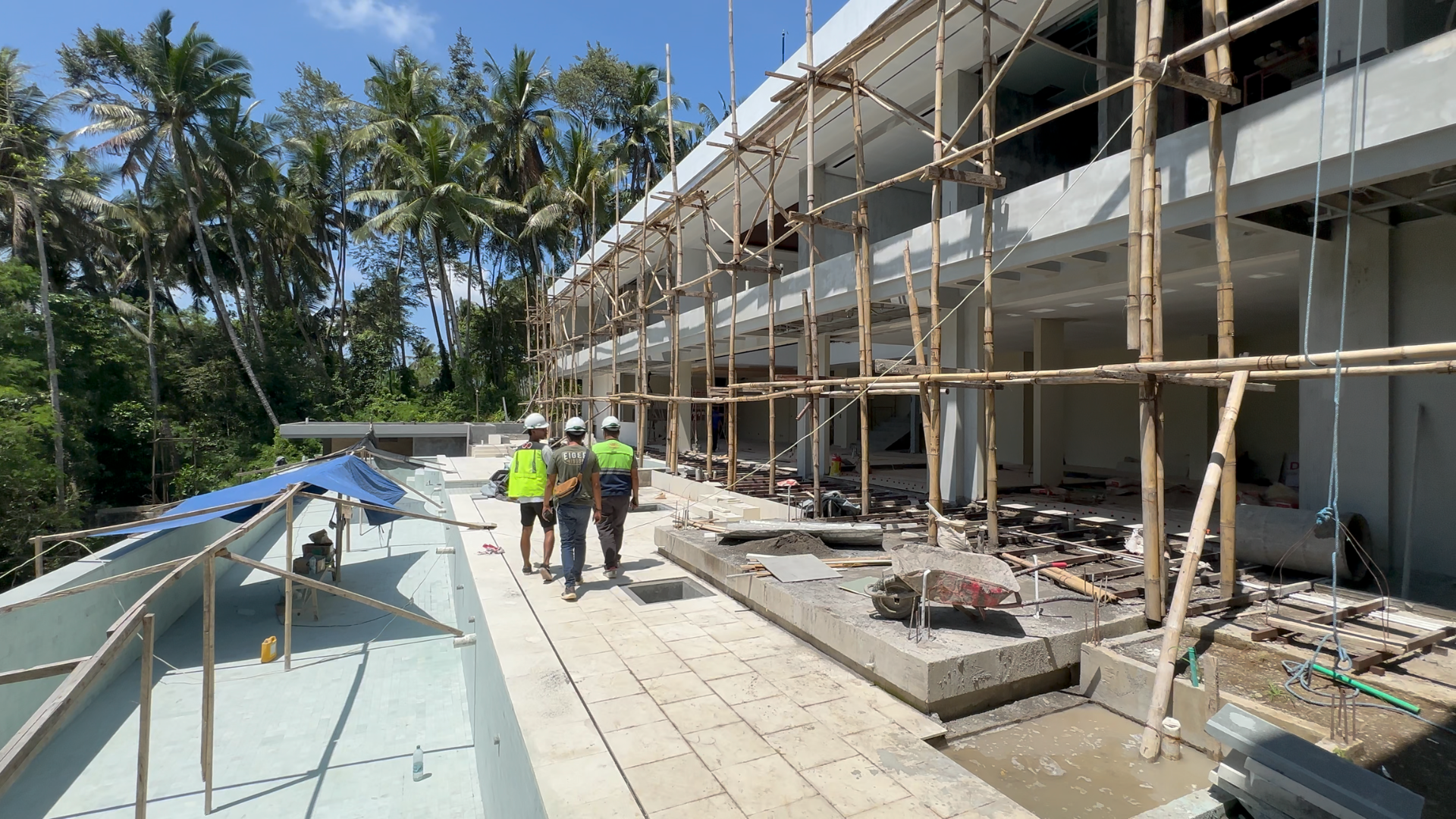
No schedule or procurement plan matters if materials can’t get to site, trades can’t access work zones, or equipment arrives late or unusable. That’s where logistics becomes a make-or-break part of execution—and it’s entirely under the general contractor’s control.
For villa and resort projects in Bali, logistics are often the silent killer. Remote sites, narrow access, island supply chains, weather limitations, and non-continuous work zones require tight logistical control.
A Villa and Resort General Contractor must manage the site as a live system, not a drop-off point. That means planning, sequencing, and controlling all movement on and around the build site.
If logistics aren’t handled proactively, every other deliverable, schedule, quality, even safety starts to slip.
GC Responsibilities for Construction Logistics
- Planning site access for deliveries and heavy equipment
- Staging material deliveries to match construction sequence
- Managing on-site storage and protection of sensitive finishes
- Controlling labor movement between units/zones
- Coordinating utility access for temporary and permanent power/water
- Handling crane, hoist, scaffolding, and lifting schedules
Common Logistics Failures When GCs Lose Control
| Logistical Issue | Impact on Project |
|---|---|
| Materials arrive too early | Stored improperly, damaged, or missing when needed |
| No labor zone planning | Crews overlap, block each other, or idle due to delays |
| Site access not managed | Large items can’t be delivered, work slows or stops |
| No staging plan | Finishes stored in the wrong location or lost |
| Temporary utilities mishandled | Power cuts, tool failures, or inability to test systems |
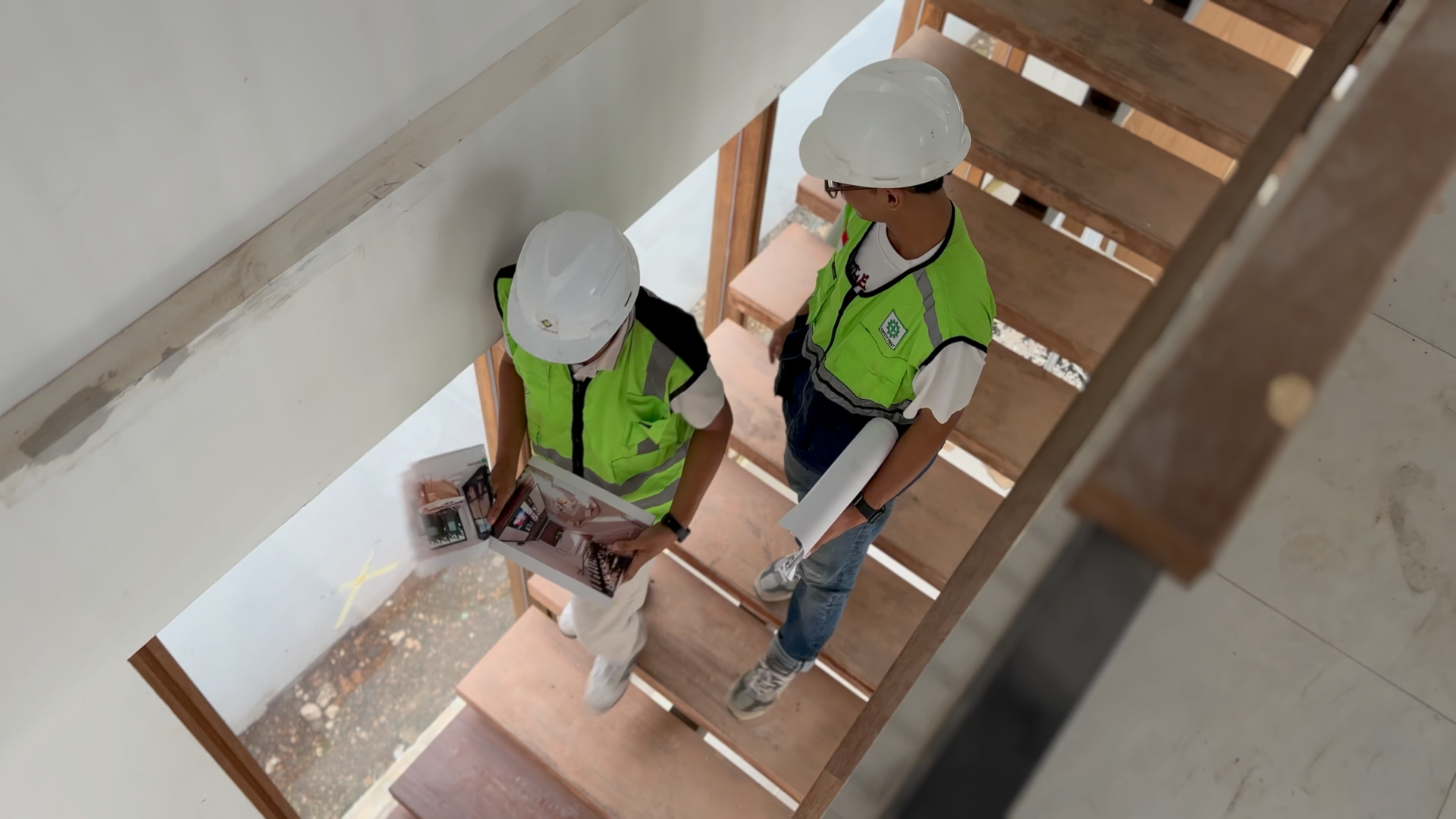
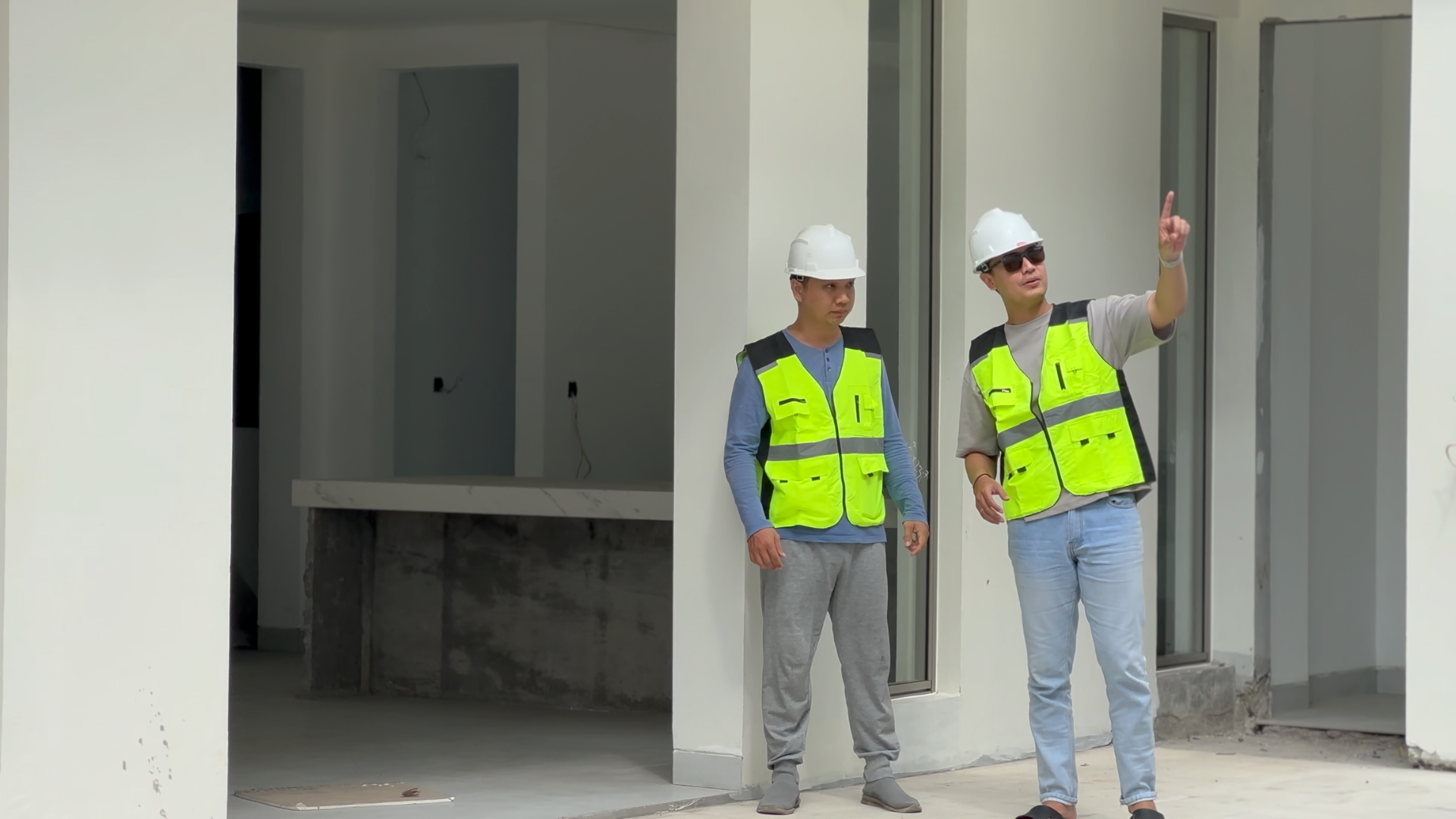
A General Contractor Controls the Build
If you’re developing a villa or resort in Bali, the general contractor isn’t just laying bricks or pouring concrete, they’re running the entire execution process. That includes managing subcontractors, overseeing procurement, sequencing trades, tracking cost exposure, enforcing timelines, and coordinating logistics.
In a build environment as fragmented and risk-heavy as Bali, you’re not paying a GC to build—you’re paying them to control how the build happens.
If your general contractor isn’t delivering across these six functions:
- Tendering
- Contracting
- Procurement
- Costing
- Planning
- Logistics
…then someone else has to, and that “someone” is usually the client, absorbing risk, delays, and cost overruns.
A strong GC removes that burden. They control the project, the risk, and the outcome.
FAQs
Can I still use my preferred subcontractors or suppliers if I hire a GC?
Yes, but it must be coordinated through the GC with clear scope, responsibility, and pricing. Otherwise, the GC can’t manage risk or scheduling effectively.
Does the GC provide the schedule, or does the consultant team handle that?
The GC owns the construction program. Consultants may guide design or tender phases, but execution-level planning is the GC’s responsibility.
What happens if a GC subcontracts everything? Are they just a middleman?
No. A qualified GC adds control, coordination, and accountability. Even if all work is subcontracted, the GC is legally and contractually responsible for delivery.
What if my GC refuses to show subcontracts or pricing?
That’s a red flag. You should expect transparency in scope, pricing, and procurement unless you’ve agreed to a closed-book contract.
Is a general contractor needed if I already have a project manager?
Yes. The project manager oversees from the client’s side. The GC executes. They handle different scopes, and both are required to control complex builds.
Do GCs always re-tender after being appointed?
Yes. Unless the client has nominated trades or vendors, the GC will run a full internal tendering process to build out the delivery team.
Can I choose which trades or suppliers are used?
Yes, but it must be coordinated through the GC and contractually defined. Otherwise, you take on their performance risk.
What if a GC only uses their own team?
That can be a red flag. A good GC gives you visibility and options—not a closed loop with no pricing transparency.
Do General Contractors Provide Design Work?
Not always, but in the case of working with a Design and Build company, like NSG, the design and construction is delivered as an integrated process.