

Why Project Management Is Essential for Quality Construction
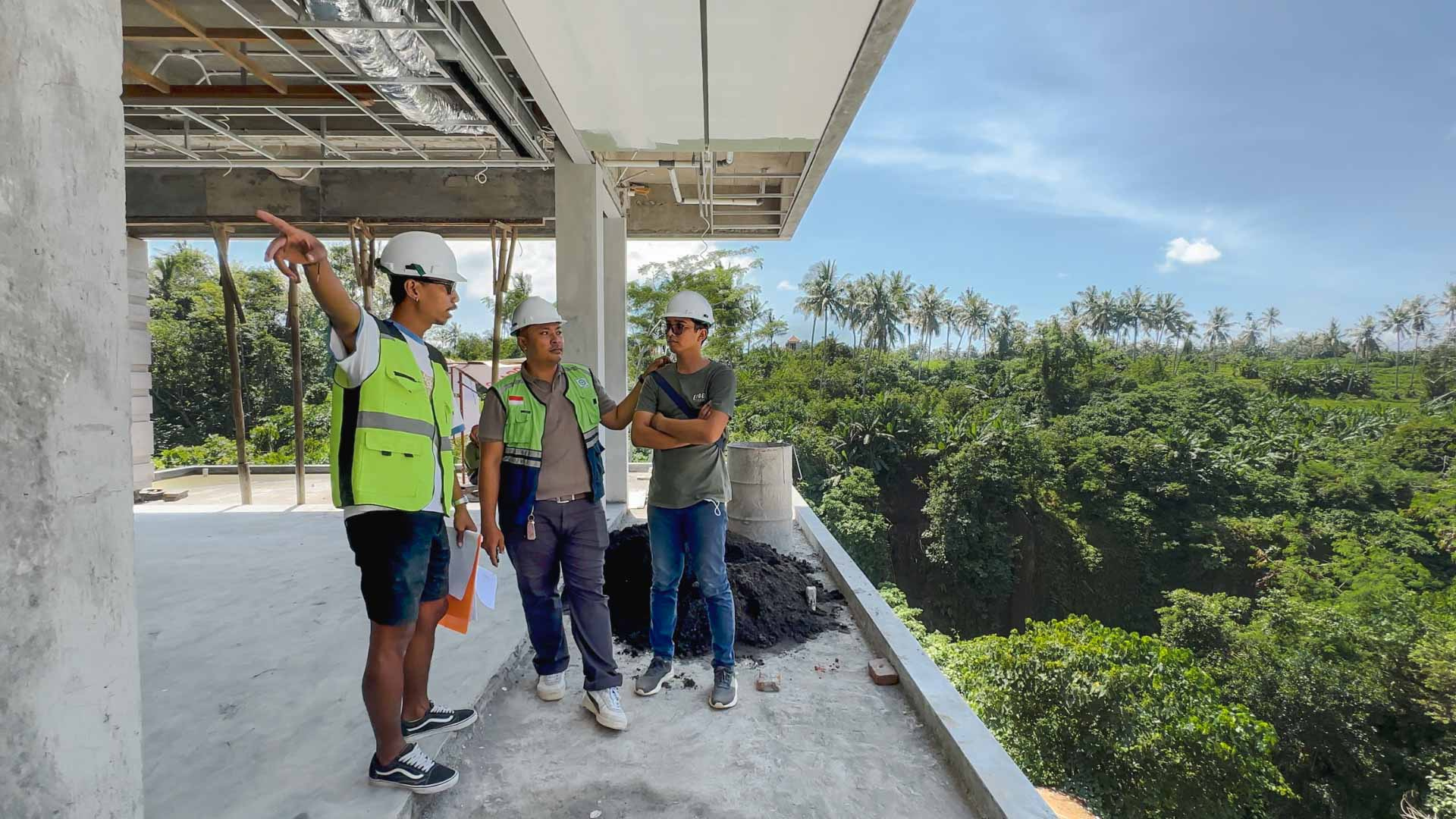
Project Management for construction in Bali is what separates successful property developments from costly mistakes. In Bali’s high-stakes construction landscape, even small errors snowball into major issues due to site constraints, imported materials, fragmented contractors, and variable weather.
If you’re building in Bali without a dedicated project manager, you’re handing control to chance. Project management is the structure that ensures what gets built reflects what was planned—on budget, on time, and without surprises.
What Happens Without Project Management?
Most failed projects don’t collapse due to one big mistake. They unravel through a series of unchecked problems:
- Uncoordinated Drawings: Conflicting consultant plans cause site errors and delays
- Cost Blowouts: Budgets are set on assumptions, not verified quantities or market data
- Schedule Drift: No critical path planning means delays build up across trades
- Quality Failures: Design gets lost in translation when no one’s checking execution
- Poor Communication: Stakeholders work in silos, leading to confusion and friction
- Disorderly Handover: Final delivery is rushed, incomplete, and full of defects
What Project Management for Construction in Bali Prevents
- Reactive problem-solving that leads to rushed decisions
- Scope misalignment between design intent and actual build
- Unchecked variation orders that inflate budget mid-project
- Site-level confusion, rework, and contractor blame games
- Delayed or incomplete handovers with legal and financial consequences
What Project Management Actually Controls
| PM Area | What It Controls | Why It Matters |
|---|---|---|
| Drawings | Coordination, revisions, clarity | Prevents on-site conflicts and design gaps |
| Costing | Budgeting, BOQs, variations | Keeps financials accurate and transparent |
| Schedule | Timeline, sequencing, critical path | Avoids delays and manages progress flow |
| Quality | Standards, inspections, compliance | Ensures design intent is achieved on site |
| Administration | Documentation, meetings, reporting | Aligns all parties and decisions |
| Handover | Final checks, DLP, as-builts | Delivers a complete, compliant project |
FAQs: Project Management in Construction
What’s the difference between a contractor-led and PM-led project?
Contractor-led projects prioritize fast delivery. PM-led projects focus on protecting cost, quality, and design from the start—especially important in Bali’s complex build environment.
Can’t the architect or builder manage the project?
No. Architects focus on design. Builders focus on execution. PM integrates both while managing time, cost, risk, and delivery.
Is project management in Bali only needed for large builds?
No. Even single villas can go sideways without proper control. Any project with high design standards, tight budgets, or multiple consultants benefits from PM.
Managing the Design Flow
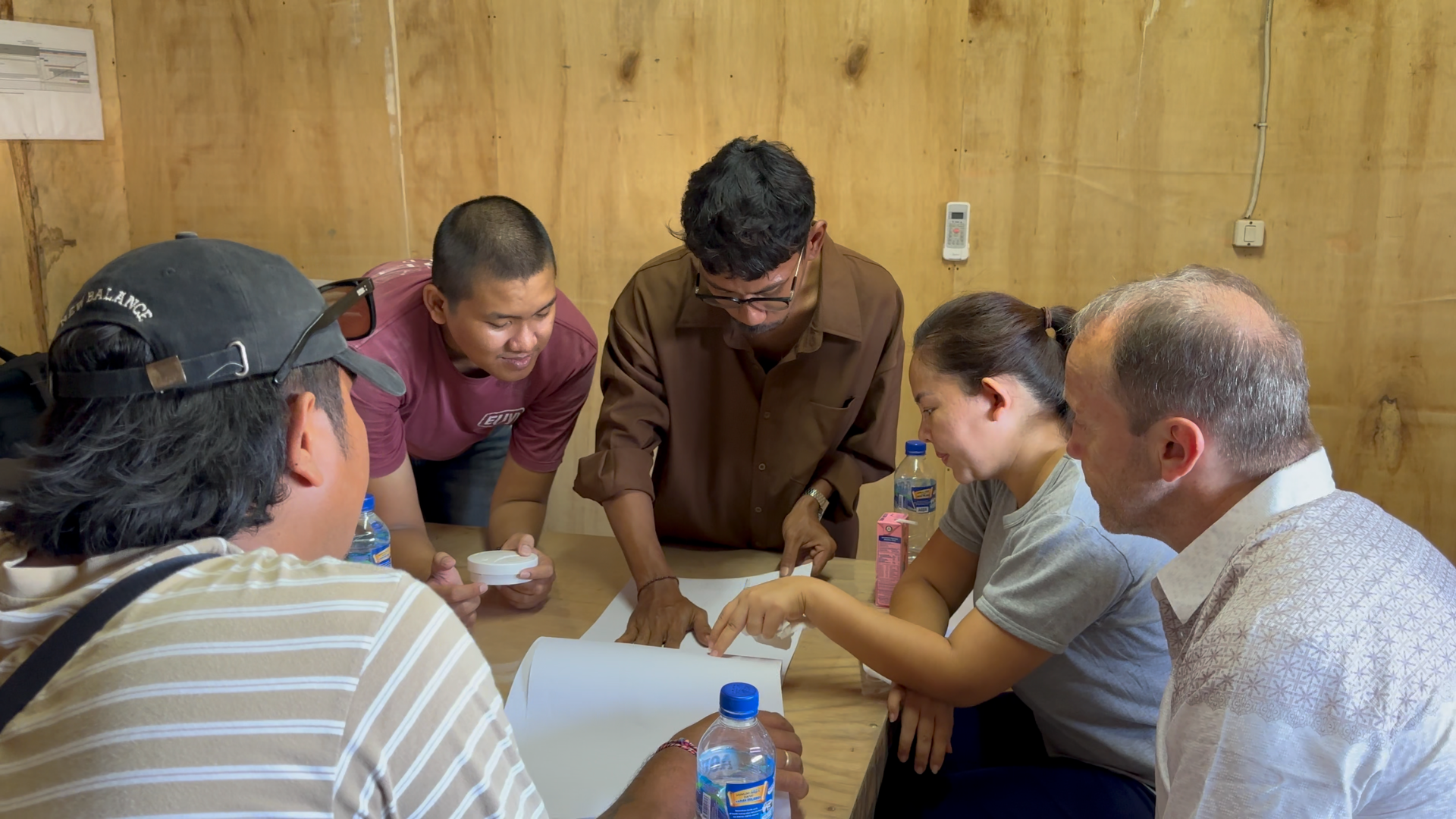
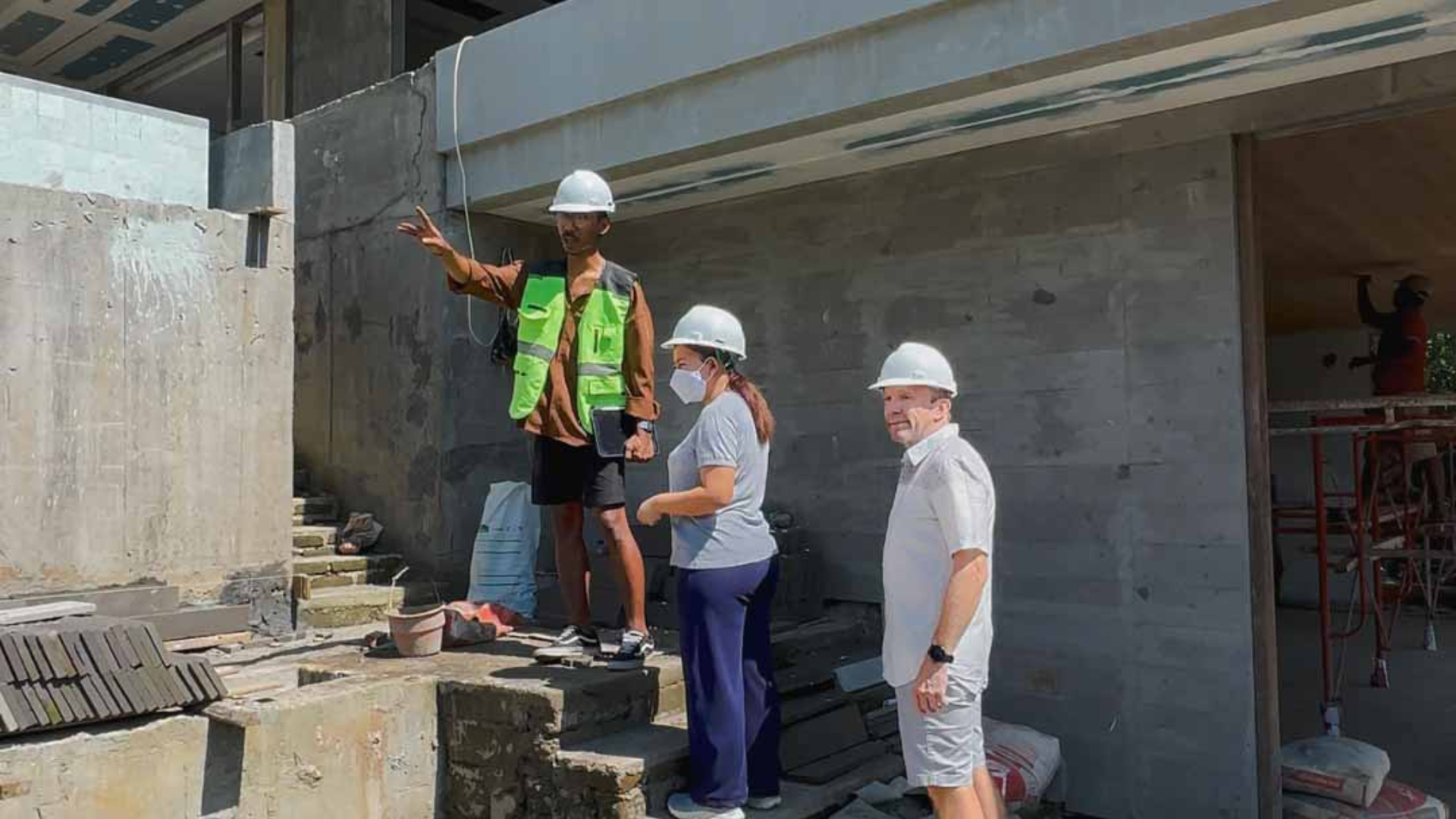
Every construction project begins with drawings, but too many end with questions. Was that wall supposed to be concrete or block? Where’s the drainage for the rooftop? Why is the beam running through the duct?
When drawings are incomplete, inconsistent, or uncoordinated, site teams are forced to improvise—and that’s where quality drops, costs rise, and schedules break.
Project Management controls the flow of all design information from concept to construction. It ensures that every drawing—architectural, structural, MEP, and shop-level—is clear, current, and coordinated across disciplines.
What Strong Drawing Management Actually Delivers
- Clarity for Contractors: Zero ambiguity on site = fewer RFIs, less downtime
- Discipline Across Consultants: Engineers, architects, and suppliers are held to timelines and coordinated outputs
- Early Error Detection: Conflicts get caught in the drawing stage, not during construction
- Version Control: Everyone is building from the correct set—no rework from outdated plans
- Design Compliance: Drawings reflect the approved scope, code requirements, and technical feasibility
- For clients working with a Design And Build delivery, the PM is the bridge from Design to the Construction Process
Drawing Mismanagement: Hidden Cost Driver
- Redesigns: Consultant revisions triggered by site clashes
- Rework: Demolition and rebuilding due to incorrect execution
- Delays: Waiting for clarifications, approvals, or missing information
- Variations: Contractors charge for “unforeseen conditions” that stem from vague drawings
- Disputes: Arguments over responsibility, scope, and liability
What PM Does Differently
- Drawing issue logs and review cycles
- Consultant coordination meetings
- Technical checks and constructability reviews
- Deadlines for each drawing stage
- Site-level compliance to issued drawings
Keeping Construction Budgets Controlled
Cost is the one metric everyone watches, but ironically, it’s also the most poorly managed on many projects. Most budget problems don’t come from overspending. They come from underestimating, guessing, or not controlling cost movements in real time.
This is where professional Project Management separates itself from contractor-led or architect-driven builds. Cost control is about establishing a realistic baseline, validating it, protecting it, and constantly tracking every movement against it.
The Real Function of Cost Management in PM
Project Management treats cost like a live system, not a fixed number. Here’s what that system looks like in practice:
- Budget Structuring: Establishing a top-down cost plan from the outset, broken into trade and component categories
- BOQ Management: Using detailed, consultant-verified Bills of Quantities instead of lump-sum estimates or allowances
- Market Testing: Running competitive tenders or supplier quotes to ground costs in reality—not assumptions
- Variation Control: Rejecting vague change orders, validating scope changes, and controlling design drift
- Live Cost Tracking: Maintaining a constantly updated cost register showing real commitments, projections, and exposures
- Reporting: Sharing cost status in simple, decision-ready formats—no vague spreadsheets or outdated summaries
Checklist: Does Your Project Have Real Cost Control?
- A validated budget that’s linked to actual quantities and current market rates
- A defined contingency with strict rules for how it can be used
- A variation approval process with documentation, pricing, and justification
- Live cost reporting that shows what’s been spent, committed, and forecasted
- A PM or QS reviewing all contractor claims
Common Pitfalls Without PM-Level Cost Control
| Issue | Impact |
|---|---|
| Unrealistic initial budgets | Client commits before real costs are understood |
| Contractor-led BOQs | Bias, exclusions, or unpriced items become surprise costs |
| Design-driven budget creep | Every small design change adds cost—unchecked and unnoticed |
| No variation review process | Contractors self-price changes, often aggressively |
| Infrequent cost updates | Problems only seen when it’s too late to course-correct |
FAQs: Construction Costing and PM Oversight
Why can’t the contractor just manage the budget?
Because their interest is in margin, not value engineering or financial control. PM provides an independent layer of accountability between design, contractor, and client.
Isn’t the architect already managing cost?
Most aren’t. Architects design to intent, not to cost. Unless you’ve hired a dedicated quantity surveyor or PM, cost control is probably reactive—not proactive.
What’s the risk of not tendering the project?
Without a tender or market pricing phase, you’re trusting one contractor’s number. It may be padded or worse, undercut to win the job and drive up variations later.
Controlling Time with Structured Planning
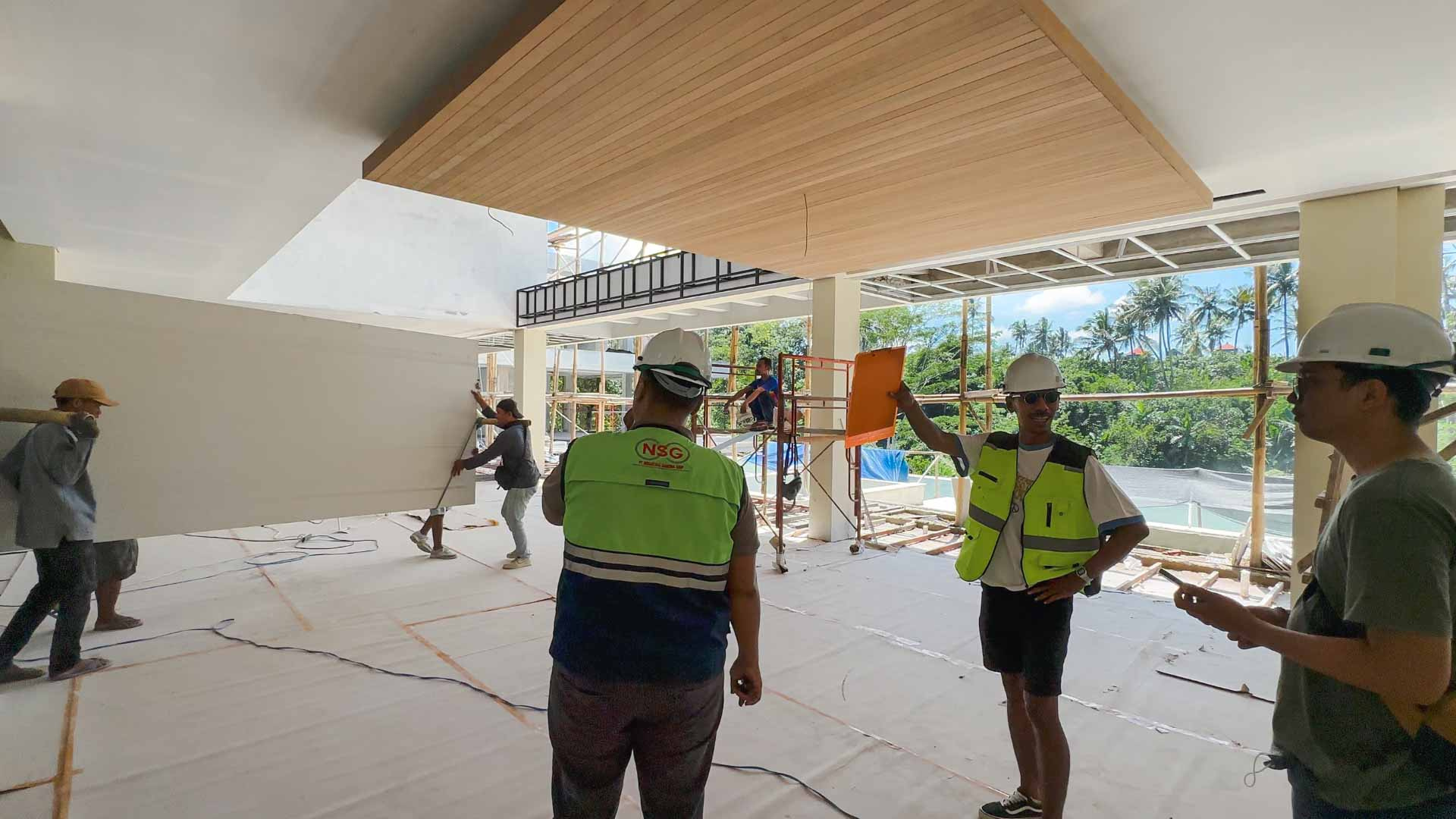
Time overruns delay completion, multiply cost, erode trust, and push quality into compromise mode. Yet most construction delays are entirely avoidable. They stem not from bad weather or material shortages, but from poor planning, lack of sequencing, and unclear accountability for timelines.
Project Management creates a structured system to track, enforce, and adapt the construction schedule. It’s about turning the schedule into a working control tool used by all stakeholders every day.
What Proper Schedule Control Actually Involves
- Master Program: Developed during pre-construction and used as the baseline reference
- Critical Path Analysis: Identifies which tasks affect final completion so effort stays focused where it matters
- Trade Sequencing: Ensures subcontractors aren’t stepping over each other, causing rework and delays
- Lookahead Planning: Weekly or biweekly short-term programs that feed into the master
- Milestone Tracking: Design approvals, procurement deadlines, delivery dates, and handover targets
- Progress Validation: Site progress checked against actual targets—not just contractor reports
- Recovery Planning: When slippage happens, PM leads the plan to recover lost time
Warning Signs of Weak Schedule Control
- No agreed baseline program shared with all parties
- Work starts without drawings fully issued
- Contractors arrive before site is ready
- Delays are only discussed after they’ve already caused damage
- Site activities are reactive, not planned
The Cost of Lost Time
Direct site costs increase every day the project is open: labor, supervision, security, rentals
Opportunity cost for the owner if it’s a revenue-generating property
Delayed approvals from lenders or local authorities
Compressed timelines later on that reduce quality and increase defects
Common Time Loss Scenarios (And How PM Prevents Them)
| Scenario | Without PM | With PM |
|---|---|---|
| Drawings delayed by consultants | Site team idle or builds from incomplete data | PM tracks drawing release deadlines and follows up |
| Trades overlapping or uncoordinated | Work stops, materials damaged | PM sequences trades by area and phase |
| Long-lead items not ordered early | Work halts waiting for key materials | PM sets procurement deadlines based on lead times |
| Variation changes issued late | Causes ripple effects on trades, schedules | PM enforces cutoffs and builds float into the plan |
| Weather downtime unaccounted | No contingency—slips blamed on uncontrollable factors | PM includes weather risk in baseline program |
FAQs: Scheduling and Construction Timelines
Can’t the contractor manage the program themselves?
They will, but it’ll often be in their favor. PM acts independently to track real progress, enforce deadlines, and raise early warnings.
What’s the value of a critical path?
It identifies which tasks directly affect final handover. Knowing this focuses resources and avoids wasted effort on non-critical activities.
How often should the program be updated?
Ideally weekly, especially on complex builds. PM ensures updates are accurate, not just optimistic reporting from site.
Translating Design Intent Into Site Execution
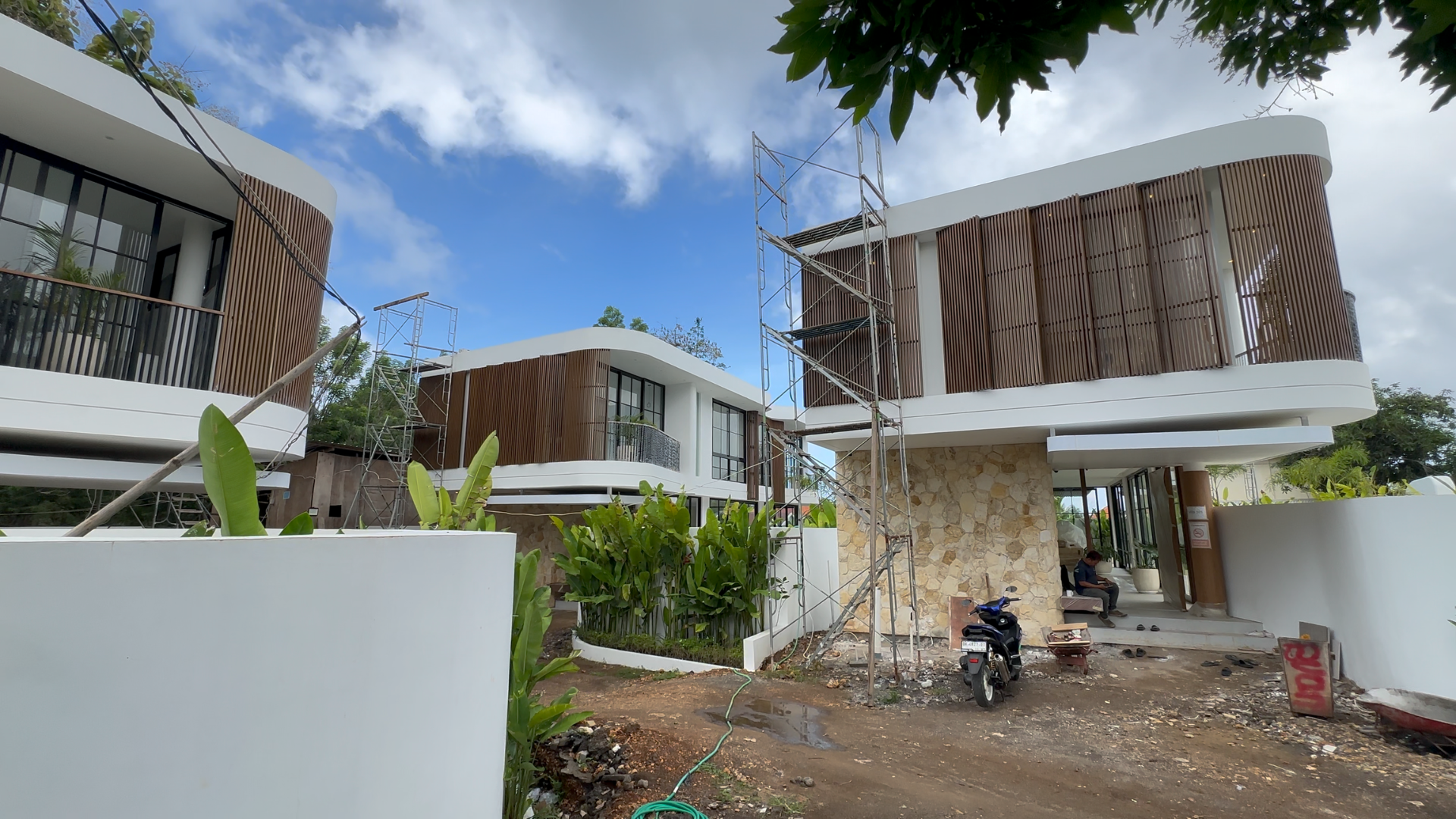
The real challenge in any construction project isn’t just drawing something beautiful. It’s making sure what gets built matches that design in quality, materials, detailing, and finish.
This is where most projects underperform. Without strong quality control, site teams default to what’s fastest, cheapest, or easiest. And once it’s built, rework is costly, time-consuming, and often irreversible.
Project Management enforces quality as a non-negotiable.
What Quality Control Actually Covers
- Material compliance: Are the installed products exactly what was specified?
- Workmanship: Are finishes consistent, aligned, and defect-free?
- Tolerances: Do elements meet dimensional accuracy within acceptable limits?
- Design intent: Are junctions, reveals, lines, and forms delivered as drawn?
- Regulatory compliance: Do works meet structural, safety, and code standards?
- Functionality: Does everything work the way it should—mechanically, electrically, and operationally?
How PM Controls Quality
- Pre-start Checks: Reviewing drawings, mockups, and samples before work begins
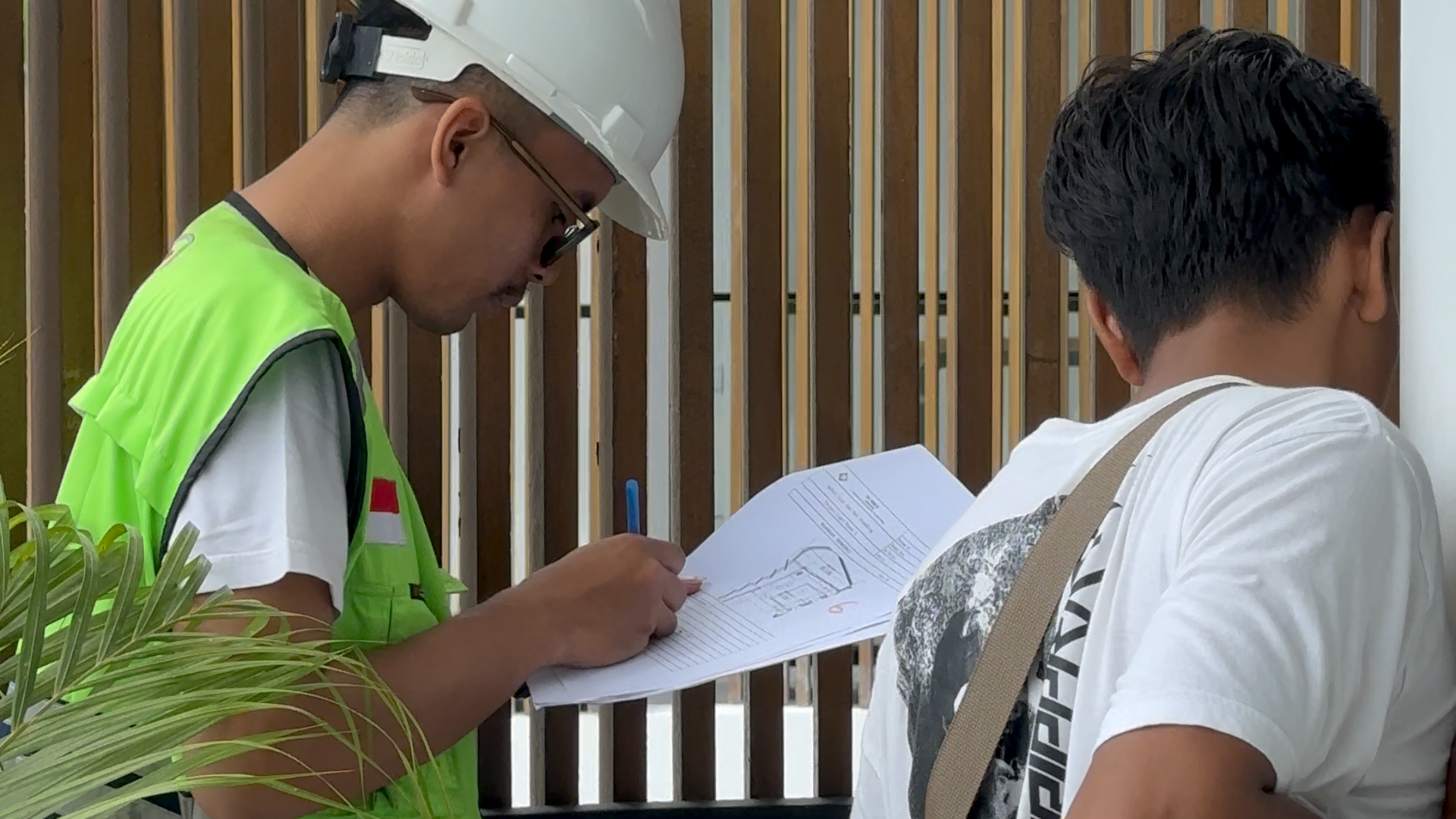
- On-site Inspections: Scheduled checks at key construction stages
- Issue Logs: Flagging and following up on every defect or deviation
- Punch Lists: Created per area, per trade, and tracked until closed
- Trade Benchmarks: Holding subcontractors to tested quality samples or mockups
- Photographic Records: Documenting progress and compliance visually
- Final QA Review: Before handover, ensuring all systems and finishes meet spec
Quick-Scan Quality Review Checklist
- Are finishes consistent between rooms, units, or buildings?
- Do materials match the spec, or were substitutions made?
- Are installations straight, level, and clean?
- Are mechanical and electrical systems operational and accessible?
- Are transitions between materials clean and resolved?
- Has the contractor corrected all known defects?
Why Quality Drops Without PM Oversight
- Contractors prioritize speed and margin—not design accuracy
- Clients don’t have time (or training) to inspect work properly
- Consultants are not full-time on site and miss detail-level errors
- Without QA benchmarks, site decisions default to “what fits”
- Defects get discovered too late—after access is limited or finishes are installed
Keeping Everyone Aligned and Accountable
Construction isn’t just built on site—it’s built on decisions, documents, and discipline. Without structured administration, even the best designs and contractors can spiral into misalignment, disputes, and finger-pointing.
Project Management administration isn’t about pushing paperwork. It’s about controlling the flow of communication, documentation, approvals, and decisions. In complex builds, this is what keeps all client, consultants, contractor, suppliers on the same page, working toward the same result.
What Administrative Control Includes in PM
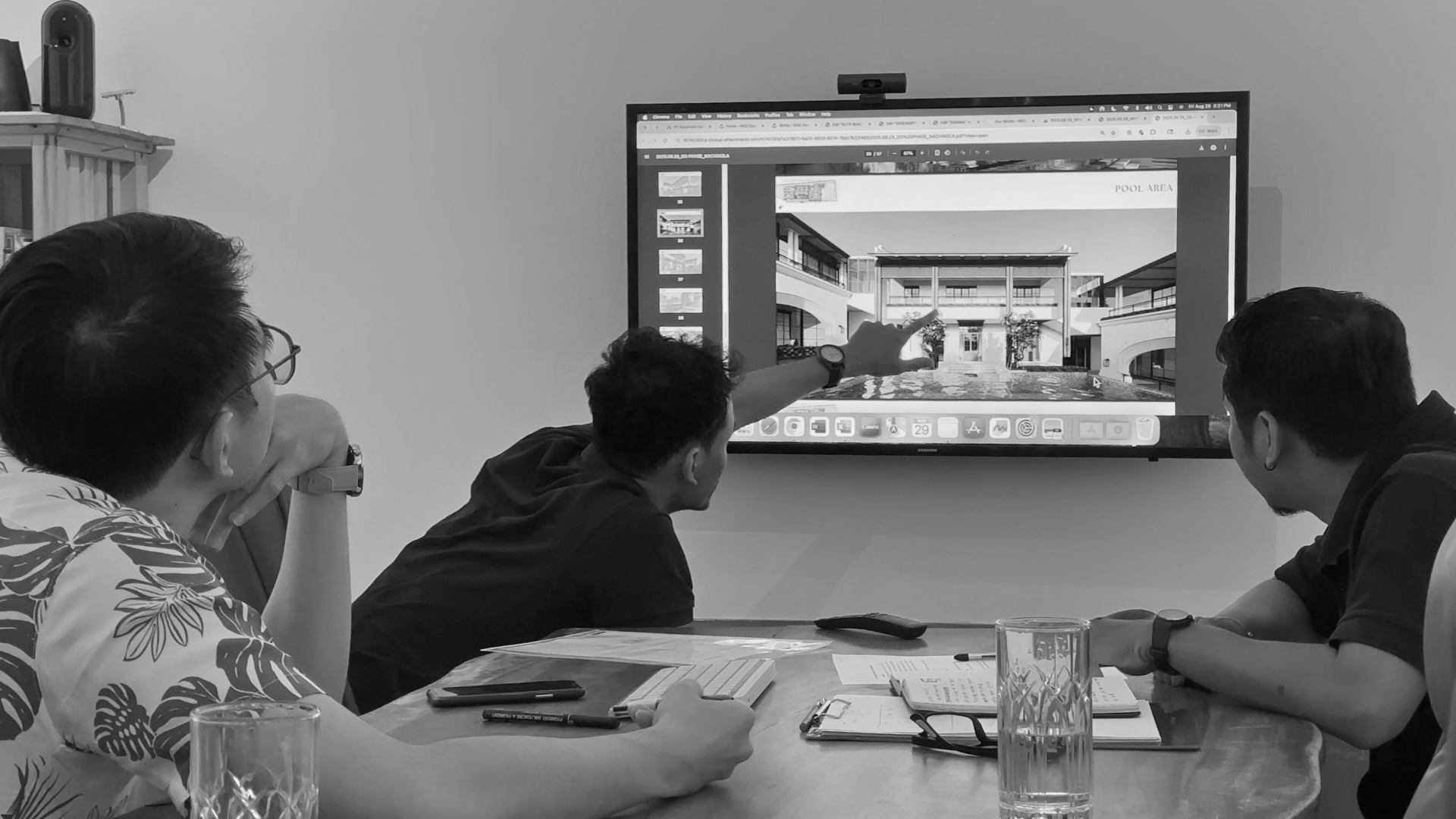
- Meeting Management: Weekly, biweekly, and milestone-specific meetings with clear agendas and actions
- Progress Reporting: Updates that track cost, schedule, quality, and risks—delivered in readable formats
- Document Control: Issuance logs, drawing registers, variation trackers, and communication logs
- Decision Logs: Recording every approval, change, or client instruction to prevent disputes later
- Correspondence Management: Centralized communication to track who said what, and when
- RFI Coordination: Ensuring site questions are answered promptly, and answers are issued formally
- Variation Documentation: Recording scope changes with financial and schedule implications attached
What Happens When Admin Breaks Down
- Decisions aren’t recorded, so accountability disappears
- Variations stack up, and no one can prove who approved what
- Contractors claim “instructions were verbal” and charge extra
- Approvals are delayed because drawings or RFIs weren’t tracked
- Disputes arise at handover because paper trails are incomplete
Sample PM-Controlled Document Matrix
| Document Type | Purpose | Controlled By PM? |
|---|---|---|
| Site Instruction (SI) | Direct contractor actions on site | ✅ |
| Request for Information (RFI) | Clarify unclear or conflicting info | ✅ |
| Client Instructions (CI) | Document scope changes | ✅ |
| Drawing Registers | Track drawing versions, dates, and recipients | ✅ |
| Meeting Minutes | Capture decisions, assign responsibility | ✅ |
| Variation Logs | Track cost/time changes and their justifications | ✅ |
FAQs: Project Management Administration
Isn’t admin the contractor’s job?
No. Contractors manage their own scope. PM manages the entire project’s administrative structure—including consultants, suppliers, and the client.
Why are meeting minutes important?
They document what was decided, who owns each task, and by when. Without this, there’s no way to enforce accountability.
How does PM help with variation management?
By requiring that every change has a documented instruction, costing, and approval before being actioned. No more “he said, she said” at the end
Delivering a Complete and Operational Asset
A project is only truly complete when it’s fully operational, defect-free, and documented, ready for occupation, operation, or revenue generation. But for many builds, handover is a mess. It’s rushed. It’s incomplete. And it leaves the owner holding a disorganized file of defects, missing warranties, and unanswered questions.
Professional Project Management treats handover as a structured phase. It ensures the asset delivered built right, tested, documented, and ready for use.
What Full-Scope Handover Includes
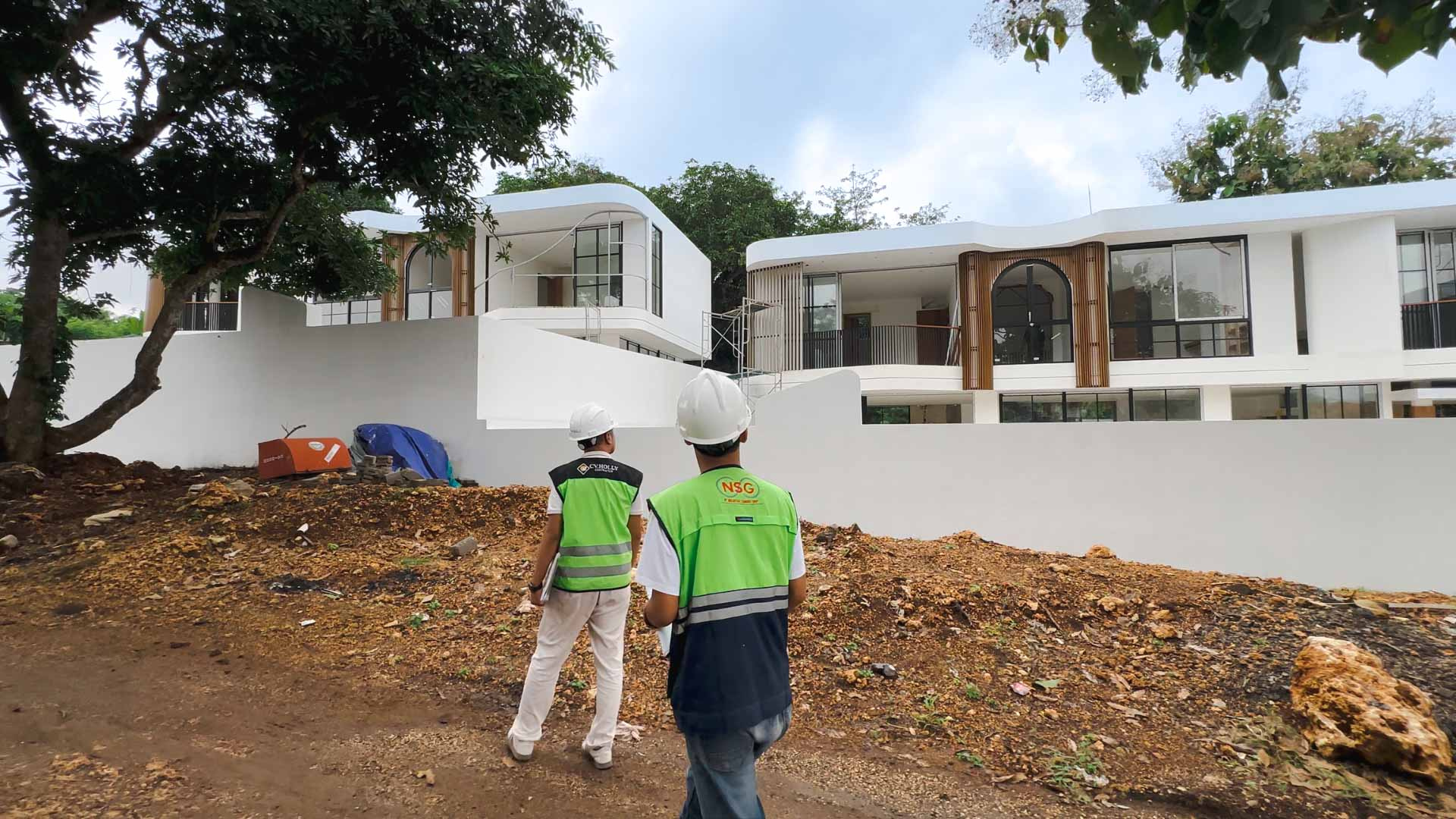
- Final Inspections: Joint walkthroughs to identify remaining defects
- Snag/Punch Lists: Organized by area and trade, with tracking until closure
- Defects Liability Period (DLP) Activation: Clear timelines and contractor responsibilities post-handover
- Operational Readiness: Ensuring systems (MEP, lighting, HVAC, etc.) are fully tested and functional
- Handover Documentation: Complete set of as-builts, warranties, manuals, certificates, and compliance documents
- Client Training: Walkthroughs with technical teams to explain systems and maintenance
- Handover Report: A compiled document verifying all deliverables have been met
Why Most Projects Fail at Handover
- Contractors see practical completion as “job done”—not a phase requiring follow-up
- Defects lists are loose or informal, with no proper tracking or resolution
- As-built documentation is incomplete, inconsistent, or missing entirely
- Clients don’t know what’s missing until systems fail after occupancy
- No one follows up during the DLP to enforce warranty repairs
What PM Does Differently During Handover
- Starts planning handover months in advance, not at the last minute
- Enforces a formal inspection and defect closure process
- Tracks all documentation deliverables with checklists
- Pushes contractors to fulfill all post-completion obligations
- Acts as the client’s advocate during final negotiation, commissioning, and documentation
Critical Handover Documents PM Delivers
| Document/Deliverable | Why It Matters |
|---|---|
| As-Built Drawings | Reflect actual site conditions—not just design intent |
| O&M Manuals | Guide future maintenance and operation |
| Warranty Register | Clarifies what’s covered, by who, and for how long |
| Test & Commissioning Certificates | Prove systems function as designed |
| Compliance Certificates | Meet regulatory and insurance requirements |
| Defect Lists with Sign-Off Logs | Ensure all snags are tracked and resolved |
FAQs: Handover and Final Completion
What’s the difference between practical completion and final completion?
Practical completion means the building is usable but may still have defects. Final completion happens after all defects are resolved and documents are handed over.
What’s a Defects Liability Period (DLP)?
It’s a fixed period after handover—typically 6 to 12 months—where the contractor is obligated to fix any remaining or latent defects at no cost.
What happens if handover documentation is missing?
You risk operational failures, voided warranties, and legal exposure. PM ensures all required documents are complete, organized, and delivered.
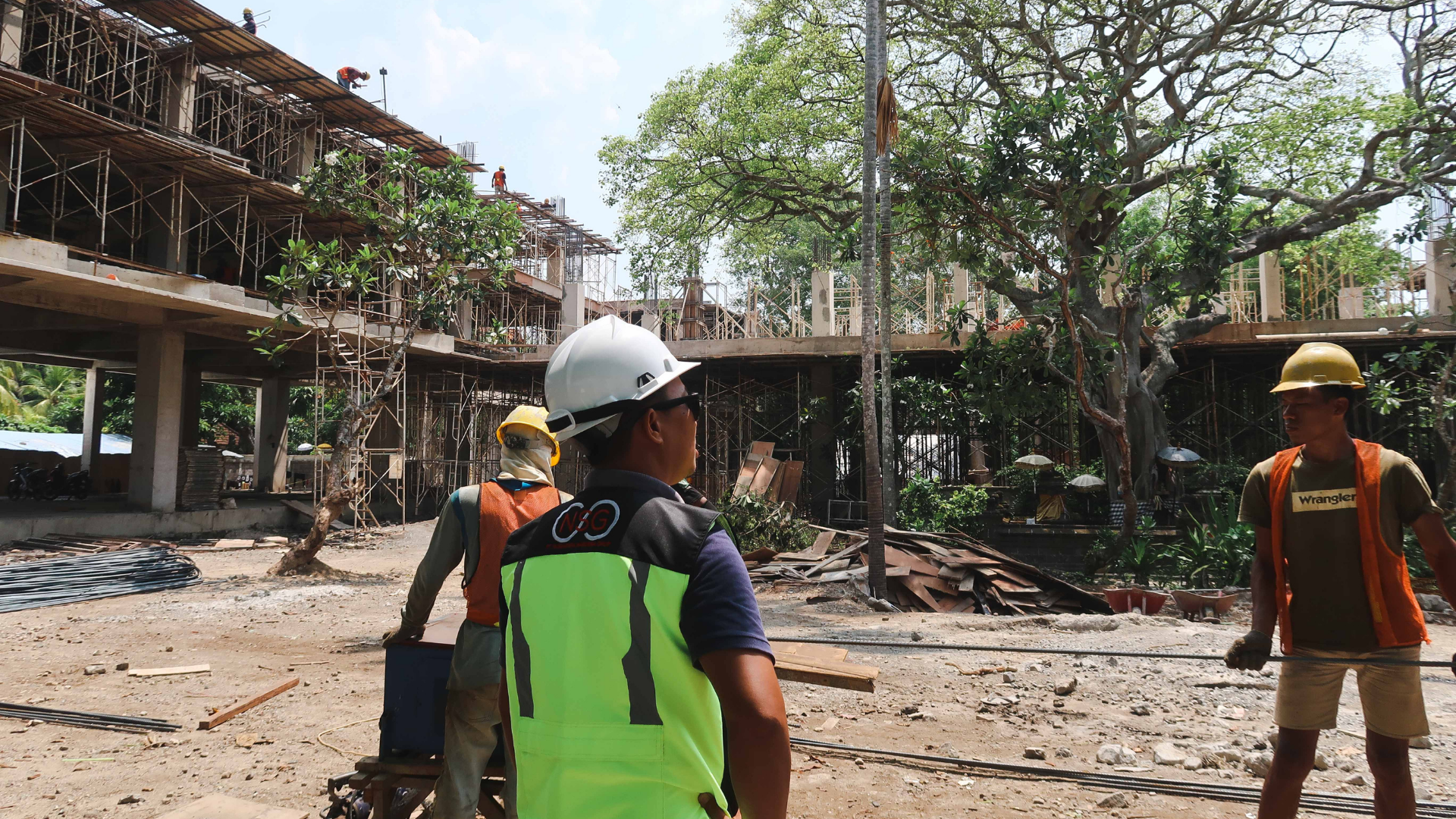
Why Project Management Isn’t Optional
Design is important. Craftsmanship matters. But without structured, full-scope control, the entire project is exposed to risk.
Project Management is a system that ensures your investment delivers. From day one to final handover, PM protects your budget, your timeline, your design, and ultimately, your peace of mind.
You don’t need to be on site daily. You need someone who’s watching every detail, flagging every risk, and forcing every contractor and consultant to deliver what they promised.
If your project is complex, high-value, or even just high-expectation, Project Management is a sure way to Future Proof Your Propety Investment in Bali.