

The Best Architecture In Bali begins with Due Diligence

The Best Architecture In Bali begins long before the the form takes shape. Selecting the right location is as important to your success as your team tasked with bringing your project to life. For this reason, we want to share our insight into things to look out for when selecting your dream property. Staring with the due diligence will ensure options and optimal results.
Buying land in Bali is an exciting step, but it is also one of the most important decisions you will make for your villa, resort, or investment property. Most buyers focus on paperwork and legal processes, which are essential, but due diligence goes beyond signatures and certificates.
The real question is whether the land you are buying is actually the right fit for your project.
You can have all the right documents and still end up with land that is noisy, hard to access, prone to flooding, or completely unsuited for what you plan to build. That is why practical, common-sense due diligence is just as important as legal checks.
This article covers eight essential factors to assess before buying land in Bali. These are not legal tips. They are real-world insights based on what makes or breaks a project in the field.
We will cover:
- What to look for in the land’s physical environment
- How to spot hidden problems before they become expensive
- How to align the land with your project goals and ROI expectations
Now let’s get into the eight things you must evaluate before buying land in Bali.
Check the Surroundings
Before you even ask for a land certificate, spend time walking the area. Look, listen, and smell. The environment around the plot can affect quality of life, property value, and long-term usability more than any legal document.
Things to look out for:
- Is there a garbage dump, recycling yard, or waste-burning site nearby?
- Are there chicken farms, pig farms, or industrial activities that produce strong odors?
- Can you hear bars, clubs, or temples with regular ceremonies from the site?
- Is there a major road, construction zone, or planned development next door?
- Even beautiful plots can lose their appeal if they are located next to a long-term nuisance. And some issues are seasonal — you may not notice flooding smells or party noise if you only visit at a quiet time.
Take your time and do multiple site visits at different times of day. Talk to neighbors. Walk beyond the boundaries of the plot. Look for red flags that are not visible on Google Maps or listing photos.
Good land should support the experience you want to create, not work against it.


Understand Roads and Entry
Access is one of the most overlooked aspects of land due diligence in Bali. A beautiful plot is worthless if you or your guests cannot reach it easily and legally.
Key questions to ask:
- Is there a clear, legal road leading to the plot?
- Is the access private, shared, or public?
- Will you need to negotiate with neighbors for easement rights?
- Is the road wide enough for construction vehicles and regular car access?
- What happens to the road in the rainy season — is it usable year-round?
A narrow or unclear access route can delay construction, increase costs, and create conflicts with neighbors. If the road crosses other properties, make sure there is written, notarized agreement for shared use.
Also consider visibility and first impressions. A villa that is hard to find or awkward to access will struggle to rent or sell, even if the land itself is excellent.
Access is infrastructure. Treat it as part of your investment, not a side detail.
Evaluate Topography and Drainage
Land may look dry and flat today, but that does not mean it is suitable for construction. Many buyers underestimate how slope, elevation, and water flow impact the viability and cost of a building project.
Before you commit, assess the following:
- Is the land flat, sloped, or uneven?
- Does water collect anywhere after rain?
- Are there signs of erosion, soft ground, or previous flooding?
- Is the soil type stable enough for foundations?
- Will drainage infrastructure be needed, and how much will it cost?
Low-lying plots may be cheaper, but they often come with hidden risks like waterlogging, mold issues, or complex foundation work. Steep plots can offer great views but may require costly retaining walls or fill work.
Look at neighboring properties. Are they elevated? Do they have visible drainage channels? Is there standing water nearby even during dry season?
Ignoring these signs can lead to delays, budget overruns, or structural problems later on. It is also one of the most common reasons projects in Bali run into issues.
Observe Sunlight, Wind, and Microclimate
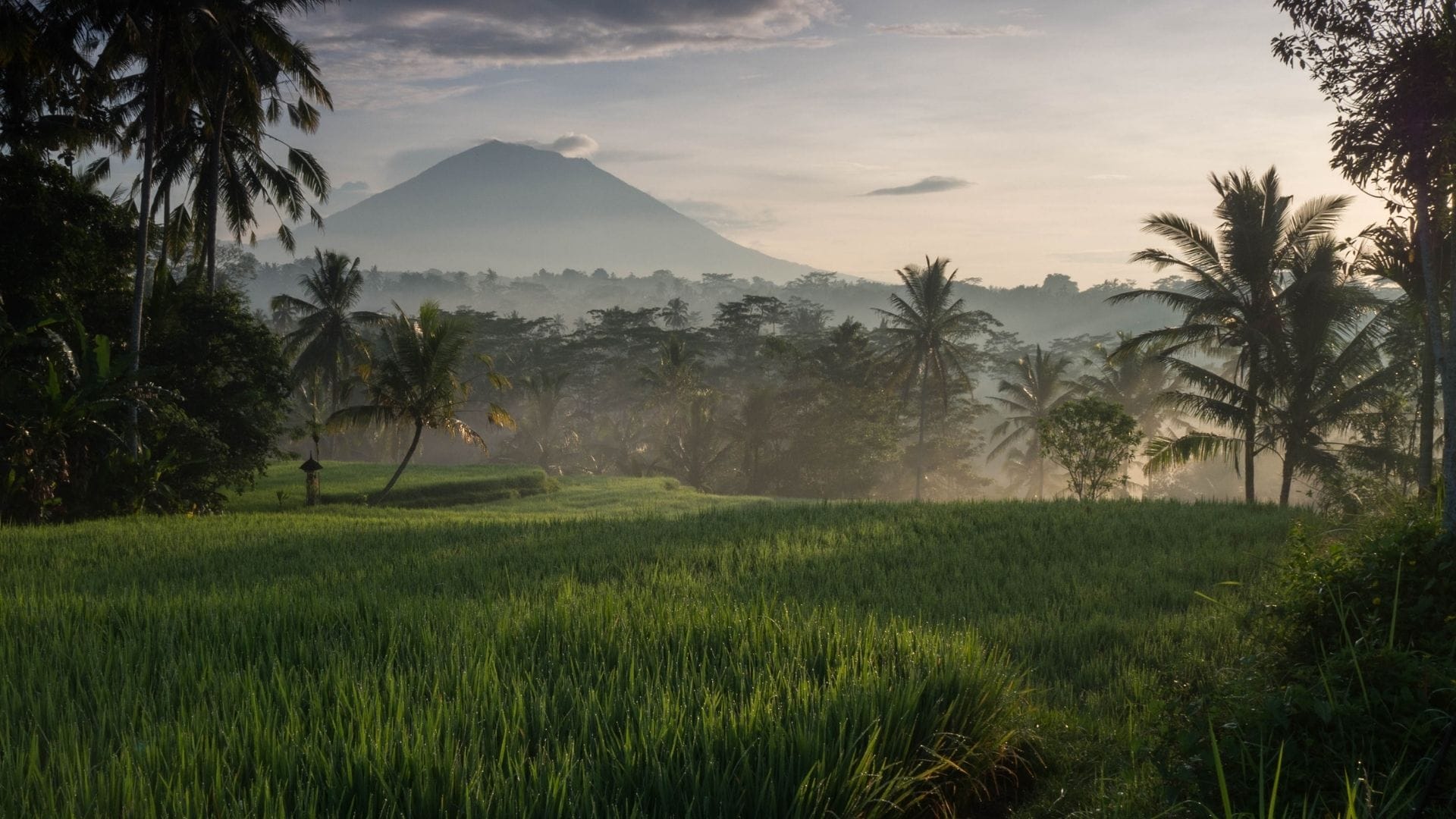
The best architecture in Bali integrates with the land. Every piece of land in Bali has its own microclimate. Some plots are breezy and shaded, others are hot, exposed, or prone to humidity. Understanding how sunlight and wind interact with the land helps you design a villa that stays comfortable year-round without over-relying on air conditioning.
What to assess:
- Where does the sun rise and set in relation to the plot?
- Are key areas like bedrooms or terraces facing harsh afternoon sun?
- Is there natural shade from trees or topography?
- Can breezes move through the site, or is it blocked by hills or walls?
- Are certain areas warmer or more humid than others?
Even small details like a neighboring wall or cluster of trees can change how air flows across the land. Exposure to the west sun can make interiors uncomfortably hot if not designed with shading in mind. At the same time, catching the east or southeast breeze can cool your property naturally.
Site orientation and climate awareness are part of smart passive design. They influence comfort, energy costs, and the success of outdoor spaces. Take time on-site to feel the conditions at different times of day.
Analyze Development Trends
What surrounds your land today might not be there tomorrow. Bali is growing fast, and areas can shift from peaceful to noisy or from underdeveloped to saturated in just a few years. Understanding the direction of Property Development around your plot is key to protecting your investment.
Questions to explore:
- Are new villas, hotels, or restaurants being built nearby?
- Is the area becoming commercial, residential, or mixed-use?
- Are there signs of overdevelopment or density issues?
- What kind of guests or residents is the neighborhood attracting?
- Is infrastructure keeping up with construction?
Spend time in the area beyond your plot. Walk the streets. Look for building permits, construction activity, and changes in the community. A quiet rice field today could be a resort parking lot in two years. Conversely, an up-and-coming area could gain value quickly if development is well managed.
You want to invest in land that supports your project’s purpose — whether that is long-term living, short-term rentals, or resort development. Trends in the neighborhood will affect privacy, competition, resale potential, and guest experience.

Verify Infrastructure Availability
Even a perfect piece of land can become a problem if it lacks access to basic infrastructure. Many plots in Bali look ready to build but are far from reliable water, power, or internet services. These gaps can increase costs and delay construction.
What to check before buying:
- Is electricity already connected or nearby?
- Is there access to clean water, and from what source?
- Does the area have stable internet coverage?
- What sewage or waste systems are in place or possible?
- Will you need to install your own systems, and at what cost?
Ask current neighbors what services they use. Some areas rely on private wells or tank water, while others have limited or overloaded electrical capacity. Bringing utilities to an unconnected plot can require permits, waiting periods, and high installation fees.
Do not assume infrastructure will catch up to your project. Build your budget and timeline around what actually exists, not what agents promise or developers plan.
Ask Why the Land is Being Sold
Understanding the seller’s motivation can reveal risks or open opportunities. While not every sale hides a problem, a lack of transparency or urgency can be a red flag. Buyers often overlook this step in the excitement of finding the perfect plot.
Key questions to consider:
- Is the owner under pressure to sell quickly?
- Has the land been on the market for a long time?
- Are there unresolved disputes with neighbors or family members?
- Has construction been attempted and abandoned?
- Are there seasonal issues not visible at first glance?
The answers can help you negotiate price or walk away from a bad deal. For example, a steep discount might seem attractive until you learn the land floods every rainy season or has access issues that blocked a previous build.
Speak directly with the seller or agent. Ask questions and listen for hesitation or inconsistencies. If something feels off, it usually is.
Match the Land to Your Project Type

Not every piece of land is right for every kind of development. A site that works for a private family villa may not suit a boutique resort or rental-focused project. Buying land without aligning it to your long-term goals can result in costly compromises during design or operations.
Before you commit, ask yourself:
- Is the land large enough for your full build-out?
- Does the shape allow for the layout you envision?
- Will your target market want to stay in this location?
- Can the land support features like a pool, parking, or outdoor lounge areas?
- Are privacy, noise control, and access suitable for your use case?
A compact site in a busy area might work for short-stay units but feel crowded for a luxury retreat. A remote rice field could offer peace and views but lack appeal for short-term guests. Matching the land to your model avoids friction during design and improves the return on your investment.
If you are planning a build with ROI in mind, be sure to look at how location and land type affect outcomes. You can explore this further through our insights on Bali villa investment strategy.
Conclusion
Land due diligence in Bali is not just about paperwork. Before you review certificates or call a notary, you need to be sure the land is right for your project. A strong investment starts with choosing a site that supports your vision, meets your practical needs, and avoids long-term complications.
You are not just buying land. You are buying a future experience, for yourself, your guests, or your buyers. That future of your Luxury Design, depends on what surrounds the site, how it functions, and whether it aligns with your goals.
To move forward confidently:
- Spend time on-site, more than once
- Ask the hard questions others avoid
- Match the land to your design, not the other way around
- Plan for what is already there, not what might change later


Frequently Asked Questions
What is land due diligence in Bali?
Land due diligence means evaluating whether a piece of land is suitable for your intended use. It includes physical checks like access, drainage, and neighborhood quality, not just legal paperwork. It is about making sure the land supports your goals before moving forward with purchase or development.
How can I tell if land is a good fit for a villa project?
Start by reviewing the size, shape, access, and surroundings. Make sure it supports privacy, layout needs, outdoor space, and comfort. Visit during different times of day to assess light, noise, and airflow. Match the site to the type of villa experience you want to create.
What are common problems buyers overlook?
Buyers often ignore seasonal flooding, hidden access issues, or noise sources nearby. Some overlook infrastructure gaps like power or water, assuming these can be added easily later. Others choose land without considering how surrounding development will affect future use.
Can I trust listings and site photos?
Listings are a starting point, but never enough. Always visit the land in person, multiple times. Speak to locals, walk the boundaries, and look beyond what the photos show. Problems like smell, noise, or poor drainage are rarely disclosed online.
What should I ask before buying land in Bali?
Ask about access rights, neighboring properties, flood history, infrastructure availability, and the reason for sale. Make sure you understand what can be built on the land and what limitations may exist in the area. Practical questions often reveal more than legal ones.
Is it better to buy land with an architect involved?
Yes. An architect can evaluate the site for design compatibility, layout potential, and build challenges. They help prevent poor decisions and align the land with your long-term goals. This leads to fewer surprises and a smoother development process.