

Future Proofing Your Bali Property Investment with Smart Design and Build Strategies
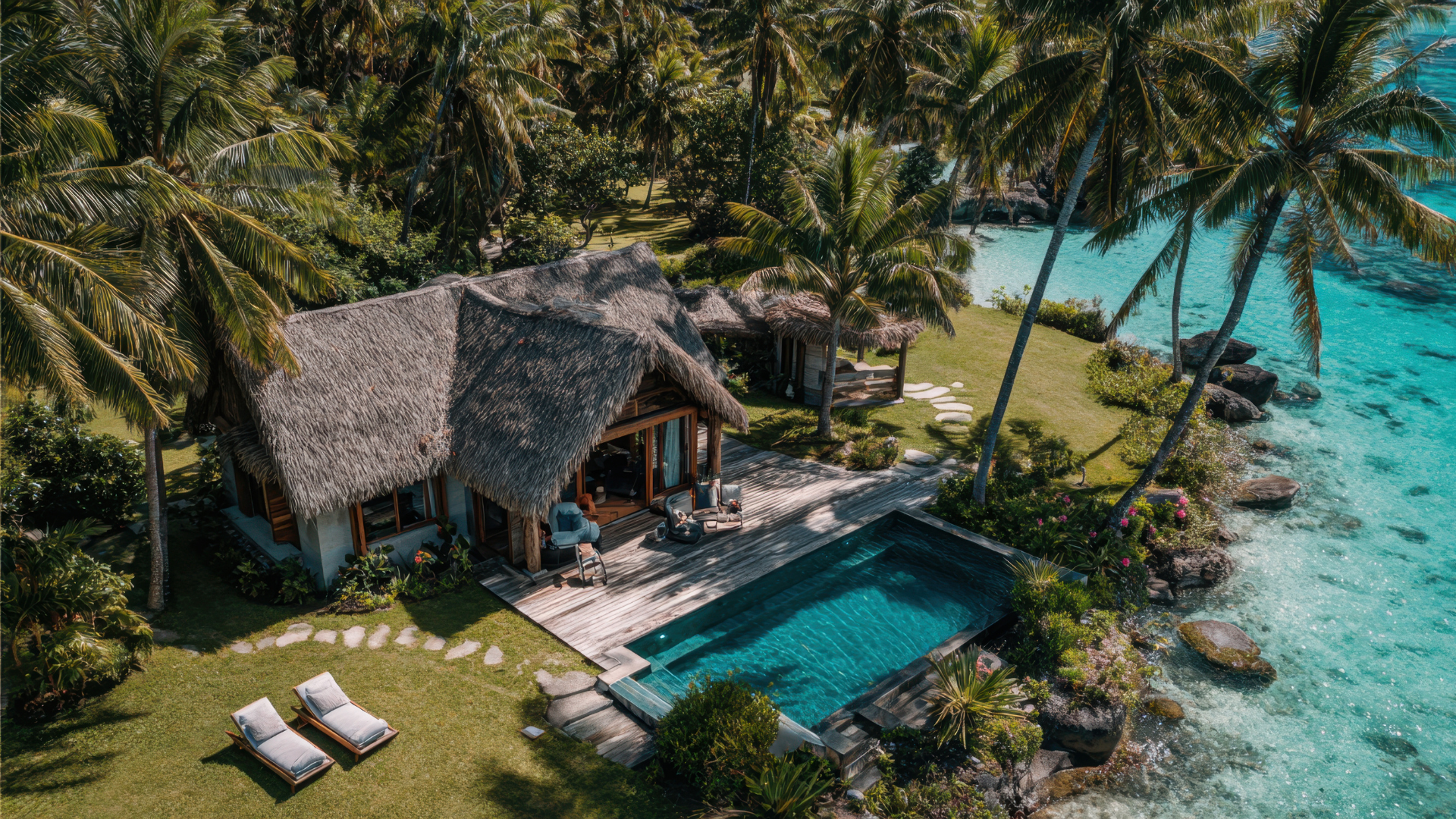
A Bali Property Investment with a Design And Build process is an exciting opportunity, but it is also a long-term commitment. From Bali’s humid climate to evolving guest expectations and shifts in how villas and resorts are used and maintained, what you build today needs to remain relevant, comfortable, and desirable for years to come.
Future-proofing means anticipating challenges before they arise and making intentional design and construction decisions that preserve value, reduce wear, and extend usability. This is not about trend-chasing or overbuilding. It’s about thoughtful choices that age well and support a lasting experience for owners and guests alike.
In this guide, we explore eight key strategies that help ensure your Bali Property Investment remains a smart, livable, and enduring asset:
- Choosing land that supports strong design fundamentals
- Passive design principles for tropical comfort
- Materials that handle Bali’s climate with less maintenance
- Infrastructure planning for longevity and ease of repair
- Floor plans that allow for adaptability over time
- Technology that supports, not complicates
- Designing everyday experiences people will still love years from now
- Building smarter for long-term value and usability
Whether you are building a home, a lifestyle investment, or a legacy property, these strategies will help ensure your villa stands the test of time in both form and function.
Choose Land That Supports Long-Term Design Success
The future of your villa or resort starts with the land beneath it. While many buyers focus on price or location, long-term value depends on whether the site can support a smart, durable design. The best land makes good architecture easier. The wrong site limits what you can build and how well it will function over time.
Beyond legal due diligence, consider topography, soil condition, water table levels, airflow, and sun orientation. Flat land may seem easier, but slightly elevated plots often offer better drainage. A site with prevailing breezes from the right direction can reduce the need for mechanical cooling. Sun angles affect how much heat builds up in the villa. These small differences have a major impact on comfort, maintenance, and energy use.
Also, assess surrounding developments and future risk. Will new buildings block views or bring noise? Is there proper road access and utility infrastructure? Even proximity to something like a farm or a party venue can impact long-term livability.
This is why successful developers treat land selection as the foundation of long-term performance, not just a transaction. Future-proofing starts before the first line is drawn.


The Smartest Long-Term Investment
A villa that fights Bali’s climate will always be more expensive to maintain, less comfortable to live in, and quicker to age. On the other hand, a home that works with nature can feel better and function longer — with less cost and stress.
Smart climate-responsive design includes:
- Passive cooling strategies such as cross-ventilation, stack ventilation, and ceiling height that keeps warm air moving out
- Deep roof overhangs and shading elements to reduce direct heat and UV damage
- Proper orientation to optimize natural light while minimizing solar heat gain
- Durable exterior finishes that withstand humidity, mold, and salt air
- Breezeways, courtyards, and shaded terraces to blend indoor and outdoor space without thermal load
These aren’t just energy-saving features. They reduce reliance on air conditioning, lower operating costs, and extend the life of materials and systems.
Bali rewards properties that feel comfortable naturally. When your villa breathes with the environment, it becomes timeless.
Material Choices That Survive Bali’s Environment
Longevity starts with smart material selection. In Bali’s climate, choosing the wrong materials leads to rapid deterioration, constant repairs, and expensive replacements. A future-proof property investment is one that looks and performs as well in 10 years as it did on day one, and that begins with what it’s made of.
Here’s what to prioritize:
- Hardwoods like teak or ulin for exposed timber work that resists termites and moisture
- Natural volcanic stones for outdoor paving and walls that withstand tropical conditions
- High-quality metal finishes such as powder-coated aluminum or stainless steel to avoid corrosion
- Proper sealing and waterproofing systems to handle monsoon rains and damp air
- Breathable wall systems that reduce the risk of mold and trapped moisture
- Local materials, when properly processed, that perform better than many imported alternatives
These materials often cost more upfront, but they dramatically reduce maintenance needs, preserve aesthetic quality, and support long-term ROI. Smart detailing also matters — flashings, drainage slopes, and roof profiles are invisible until they fail.
Bali is unforgiving to shortcuts. A Property built with long-term material logic will outlast trends and deliver better user experiences across decades.
Build for Low-Maintenance from Day One

In Bali, the environment is relentless. Intense sun, high humidity, salt air, and heavy rainfall can all wear down buildings quickly. That makes low-maintenance construction not just smart, but essential. A future-proof villa is one that is easy to care for without sacrificing quality or comfort.
Key strategies to reduce long-term upkeep include:
- Roofs designed with clean lines and proper slope to shed water efficiently
- Exterior finishes that resist mold, mildew, and algae buildup
- Well-planned drainage that channels water away from foundations and living areas
- Accessible utility panels for plumbing, electrical, and AC systems
- Natural airflow strategies that keep interiors dry and reduce moisture damage
- Material choices and design details that help prevent termite and pest issues
When maintenance is built into the design, the villa is more durable, more rentable, and ultimately more valuable. Owners spend less time and money fixing problems and more time enjoying or profiting from their investment.
Responsive Design for Lasting Comfort and Performance
In Bali, success in design comes from aligning with the environment, not fighting it. Many properties fail because they prioritize visual trends over functional, site-specific solutions. Long-term value starts with designing a home that performs well in tropical conditions.
Climate-responsive architecture reduces dependency on mechanical systems, enhances occupant comfort, and minimizes wear and tear. These are essential factors for both durability and day-to-day enjoyment.
Smart approaches include:
- Shaded facades that minimize heat gain
- Operable windows placed to catch prevailing breezes
- Lightweight roof systems with insulation and proper ventilation
- Rain-conscious roof design that manages water runoff effectively
- Covered transition spaces between indoor and outdoor zones
When your property investment is built for its environment, it naturally stays cooler, drier, and more durable. This is not just good design. It is essential for preserving value in Bali’s intense climate.


Invest in Materials That Withstand Bali’s Environment
Materials that look beautiful on day one may not hold up under Bali’s intense tropical conditions. The combination of salt air, humidity, insects, and heavy rains can quickly break down finishes and structures if not selected carefully.
Choosing materials that are both aesthetically refined and performance-tested is one of the smartest ways to extend the life of your villa and reduce long-term maintenance costs.
Key strategies include:
- Prioritize hardwoods like teak or bangkirai for exterior use over soft woods that warp and rot
- Use marine-grade stainless steel or powder-coated aluminum for fixtures exposed to the elements
- Choose breathable wall finishes that resist mold and allow moisture to escape
- Avoid cheap imported tiles that crack or discolor in heat and humidity
- Specify roofing systems designed for tropical climates, with proper flashing and UV resistance
Materials should work hard in the background to protect the integrity of the home. Long-term durability starts with what goes behind the walls and beneath the surface.
Design for Low Maintenance from the Start
A villa that is easy to maintain will always outperform one that needs constant attention. In Bali, where humidity, weather, pests, and high foot traffic are daily realities, low‑maintenance design is not just smart. It is essential for long‑term comfort, cost control, and asset preservation.
Designing for low maintenance does not mean cutting back on quality or luxury. It means planning thoughtfully so the villa stays beautiful and functional without constant repair work or high upkeep costs.
Key principles include:
- Service access panels for electrical, plumbing, and AC systems so maintenance never requires breaking walls
- Roof and ceiling access points for inspections and future upgrades
- Finishes and materials chosen for durability, mold resistance, and ease of cleaning
- Water drainage slopes and gutters planned to prevent pooling and staining
- Storage and back‑of‑house spaces designed for housekeeping efficiency
- Landscaping planned with local plants that thrive naturally without heavy watering or chemical treatment
Villas that embrace low‑maintenance thinking hold their quality longer, age more gracefully, and offer a smoother experience for both residents and property managers. Over time, this reduces operating stress and increases guest and owner satisfaction while keeping expenses predictable.
A future‑proof villa is one that performs beautifully without constant intervention. Low‑maintenance design makes that possible.
Conclusion

Designing a villa or resort in Bali should not just be about what looks good today. It is about creating something that will work, endure, and perform in the years ahead. Whether for personal use or as an income-generating asset, your villa’s long-term value depends on decisions made early in the process.
A future-proof property considers its environment, its users, and its lifecycle. It uses materials and systems that can handle Bali’s climate. It avoids trends that quickly date a property. And it prioritizes flexibility so the space can adapt with time.
If you’re aiming to make smart, lasting design decisions, also should also consider the Cost to Design and Build a Villa in Bali.