

Tropical Villa Architecture
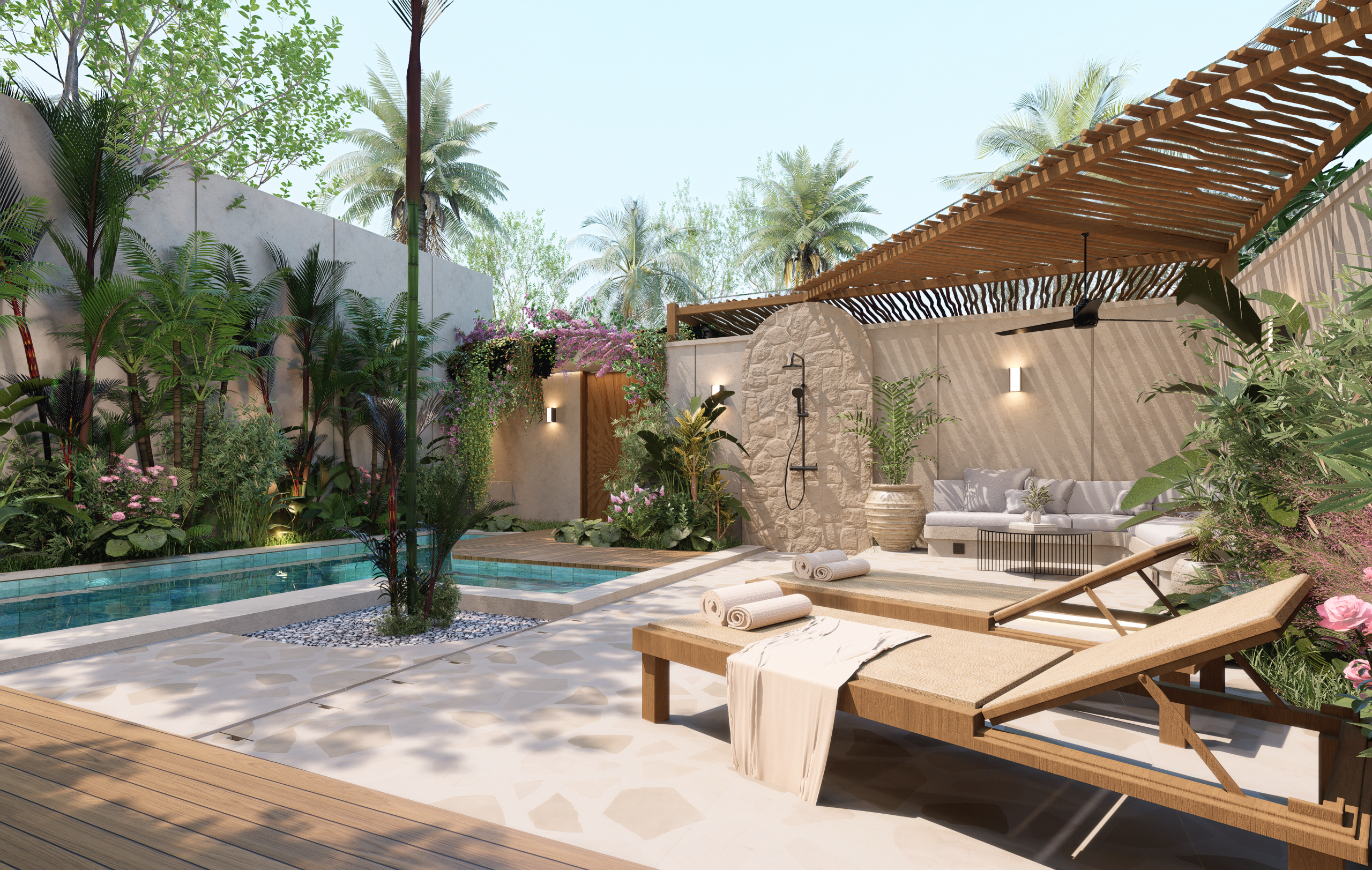
Tropical Villa Architecture is more than a design trend. It’s a practical response to climate, lifestyle, and landscape. When done right, it delivers comfort, sustainability, and a strong connection to the environment. But when common mistakes creep into the design process, even the most beautiful villas can turn into costly, inefficient problems.
If you are building or renovating in a tropical climate like Bali, knowing what not to do is just as important as knowing what works. In this guide, you will learn the seven biggest design mistakes people make in tropical villa architecture — and how to avoid them with smarter decisions that improve performance and longevity.
This article covers:
- The seven most common architectural mistakes in tropical villas
- How to fix or avoid them during planning and construction
- Practical tips to improve airflow, material choices, and layout
- Why sustainability and climate-specific design are critical
Let’s get into the first mistake.
Ignoring Climate Responsive Design
Tropical architecture only works when it responds to its environment. Too many designs are lifted from other styles without adapting to humidity, heat, or monsoon conditions. The result is poor comfort, high energy use, and long-term damage.
Ignoring climate leads to:
- Overheating during the day
- Excessive air conditioning costs
- Mold and moisture issues
- UV damage to interiors and exteriors
Smart tropical design prioritizes passive cooling. That means using large overhangs, natural ventilation, shaded openings, elevated foundations, and materials that breathe. It also means designing for airflow and solar orientation, not just aesthetics.
Overcomplicating Floor Plans
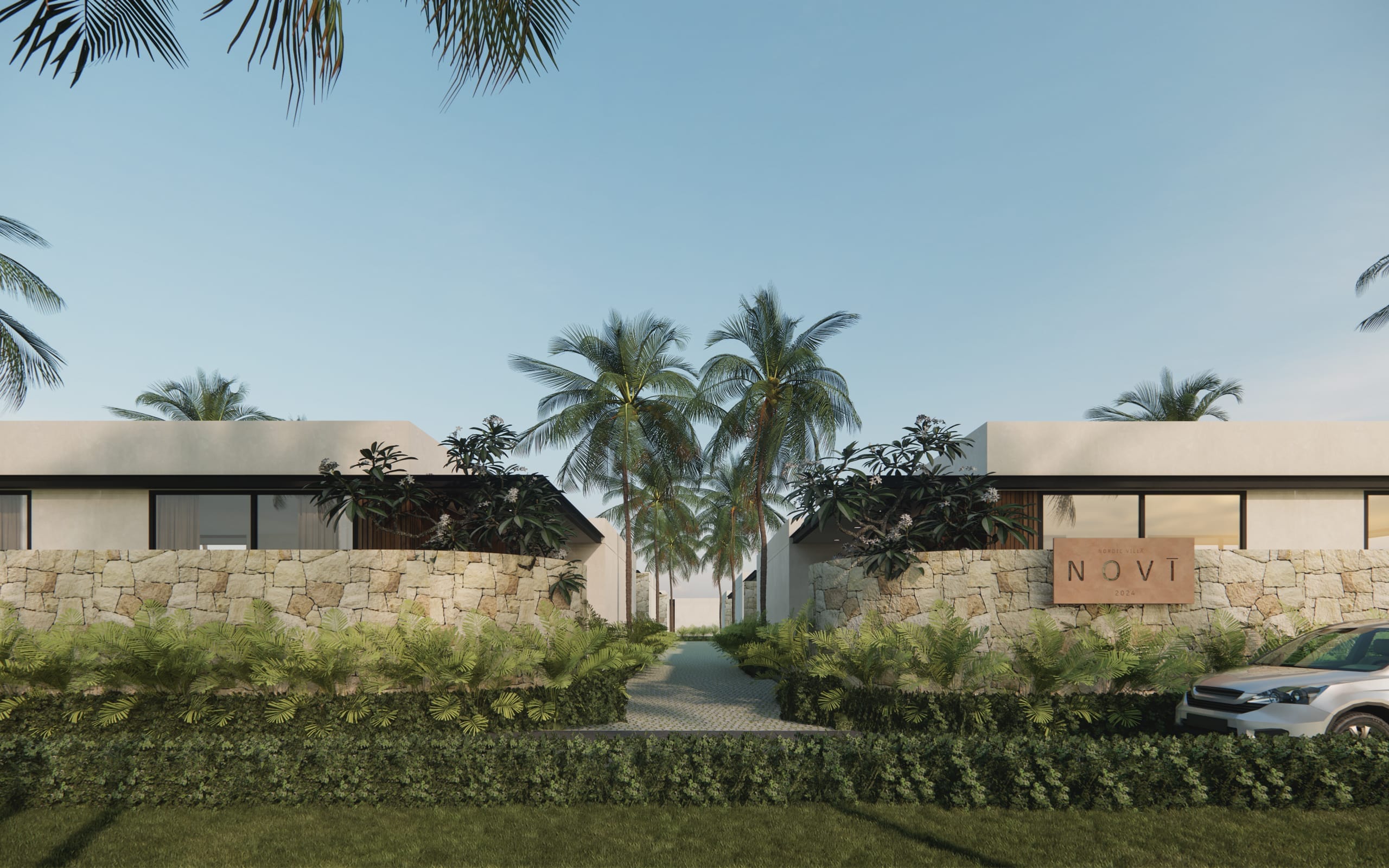
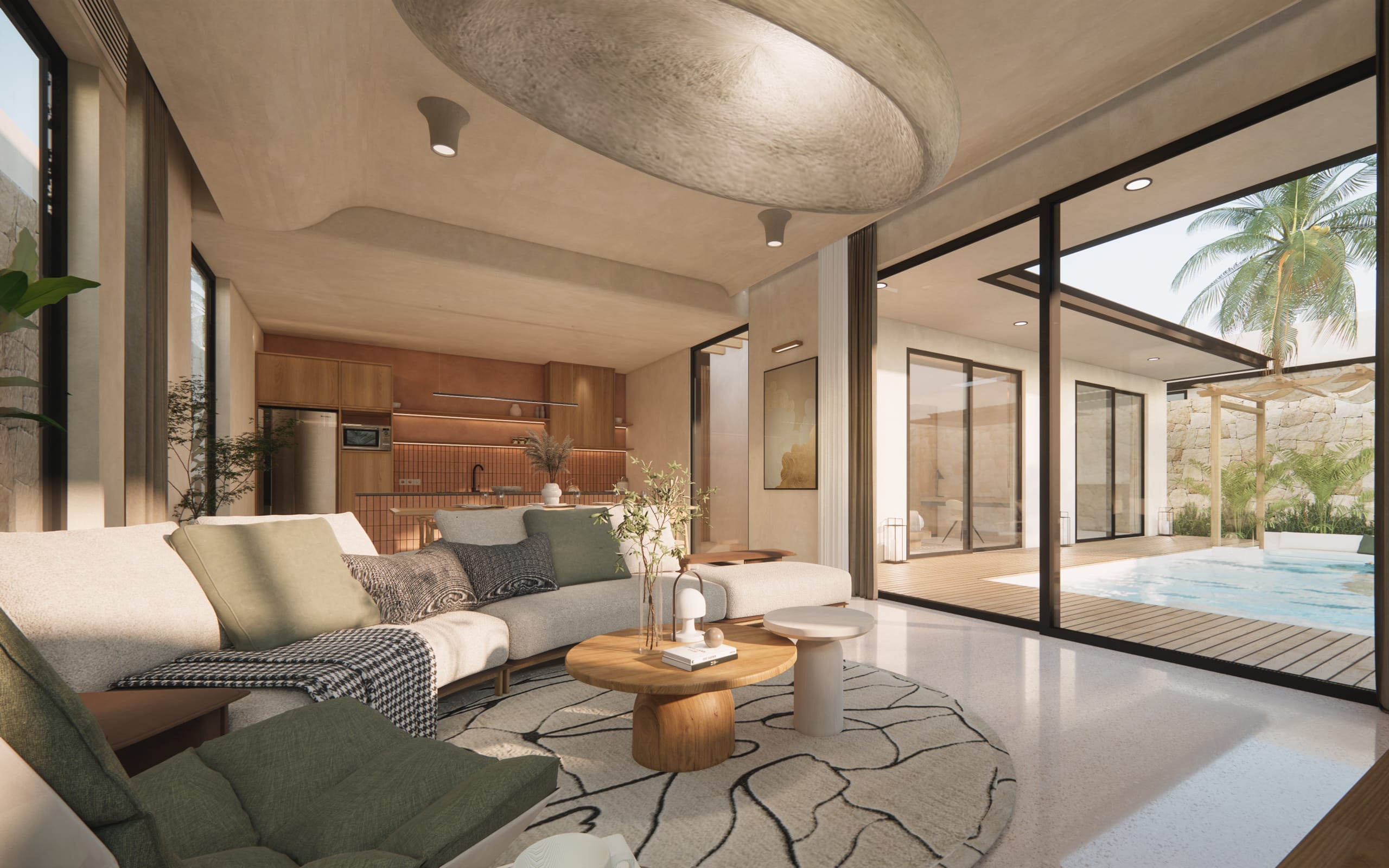
Complex does not mean better. Tropical villas thrive on open plans, flow between indoors and outdoors, and a clear sense of space. When layouts are overly fragmented or try to do too much, they compromise comfort and usability.
Problems caused by complex layouts include:
- Blocked airflow and ventilation
- Isolated rooms that feel hot or disconnected
- Inefficient use of space
- Higher construction and maintenance costs
Simplify the plan. Focus on orientation, flow, and visibility. Use open living areas, breezeways, and integrated outdoor spaces to keep energy use low and comfort high.
Using the Wrong Materials
In tropical villa architecture, material selection is critical. It is not just about how something looks, but how it performs in heat, humidity, salt air, and heavy rain. Using the wrong materials leads to rapid deterioration, higher maintenance, and expensive repairs.
Here are the most common material-related problems:
- Wood that warps, swells, or attracts termites if not properly treated
- Metal fixtures that rust quickly near the coast
- Finishes that cannot withstand high moisture or UV exposure
- Interior materials that absorb heat or trap humidity
Instead of following trends or importing materials, focus on durability and climate compatibility. Choose hardwoods suited for the tropics, natural stone that can handle wet conditions, and breathable wall finishes that allow moisture to escape. Think function before form.
Good material decisions also make maintenance easier and reduce long-term costs. When materials are chosen for local conditions, villas stay cooler, last longer, and feel more connected to their surroundings.
Neglecting Natural Ventilation
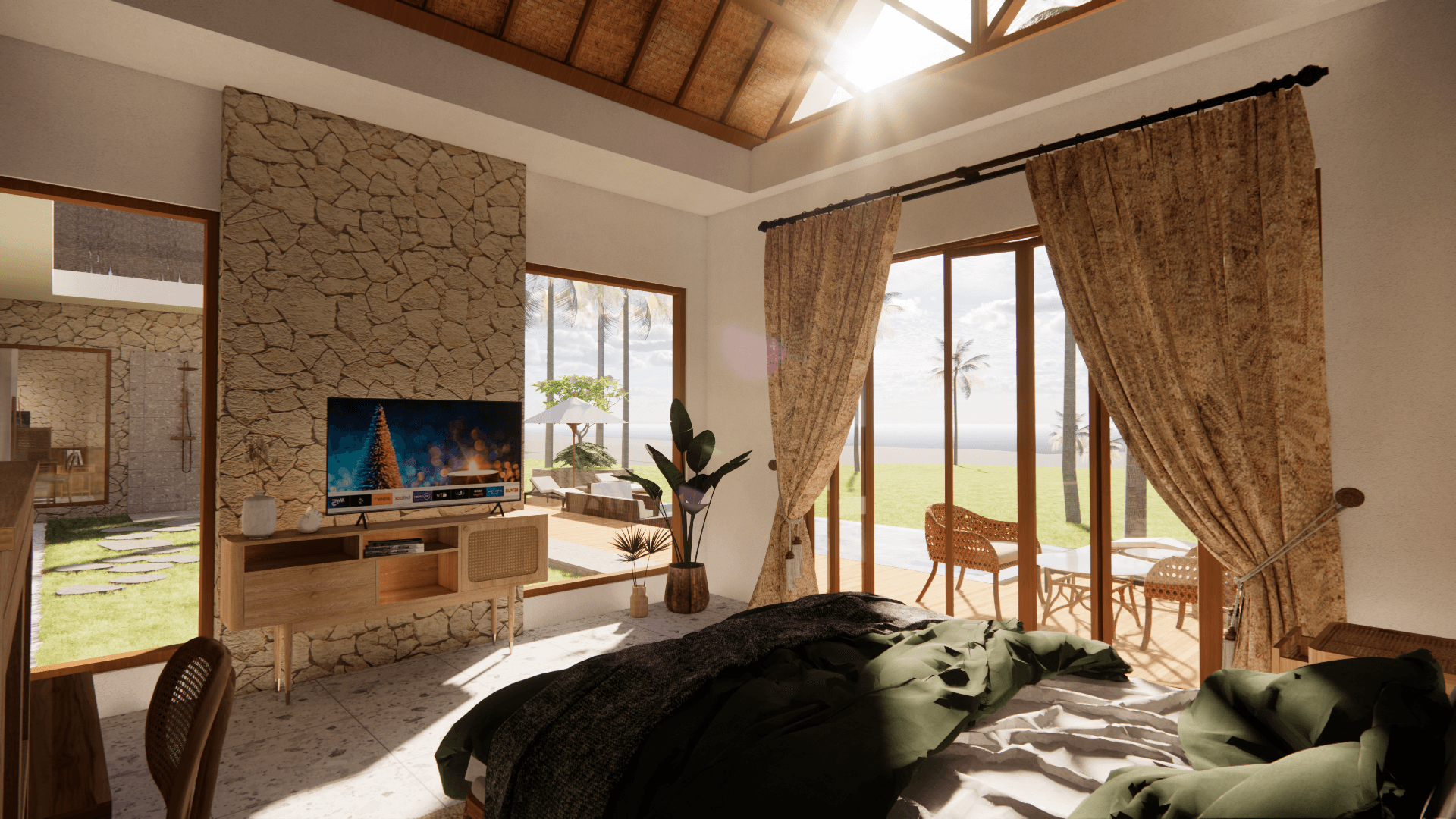
Relying entirely on air conditioning in tropical villas is a major design failure. The beauty of tropical architecture is its ability to work with the environment, not against it. When natural airflow is ignored, spaces become stuffy, energy bills spike, and indoor comfort suffers.
Here is what happens when ventilation is poorly planned:
- Rooms trap heat and stay warm even after sunset
- High humidity leads to condensation and mold
- Air conditioning becomes a constant need instead of a backup
- Spaces feel disconnected from the outdoor environment
Effective tropical design encourages air movement through cross-ventilation, open layouts, operable windows, and high ceilings. Architectural features like louvered panels, breezeways, and vent blocks help move air naturally through the villa.
Positioning the building to catch prevailing winds is just as important as structural elements. A smart orientation combined with passive design can reduce the need for mechanical cooling by half or more.
Ignoring ventilation not only increases environmental impact but also strips away one of the defining features of tropical living — that seamless, breezy, indoor-outdoor experience.
Disregarding Landscape Integration
Landscape Design is not decoration. In tropical villa architecture, it is an essential part of the design. When the landscape is disconnected from the design process, the villa loses both visual harmony and environmental function.
Here is what happens when landscape design is overlooked:
- Outdoor areas feel disconnected from indoor spaces
- Lack of natural shade increases heat around the villa
- Poor drainage causes flooding or erosion during heavy rain
- Inappropriate plants lead to high maintenance and pest issues
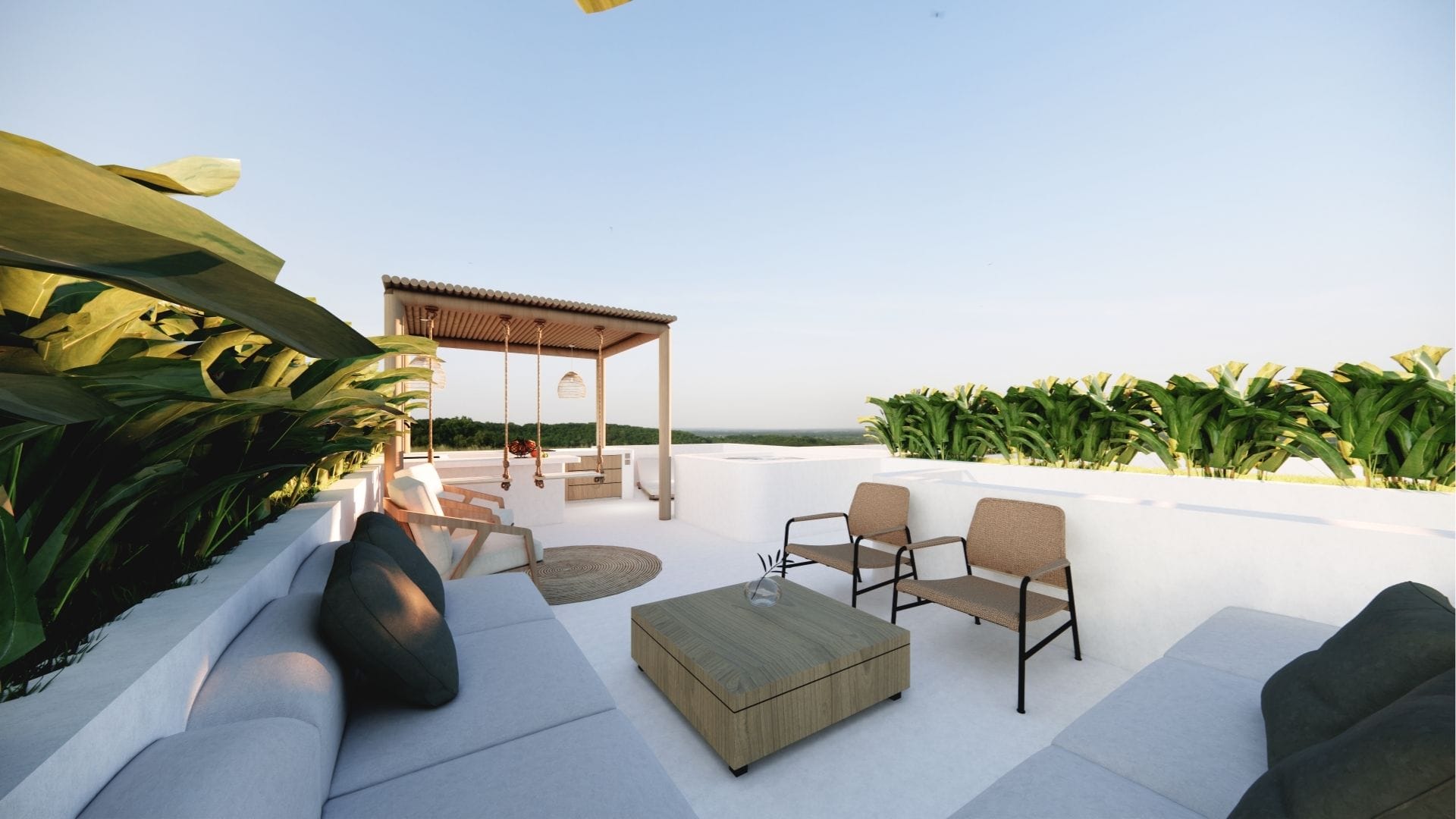
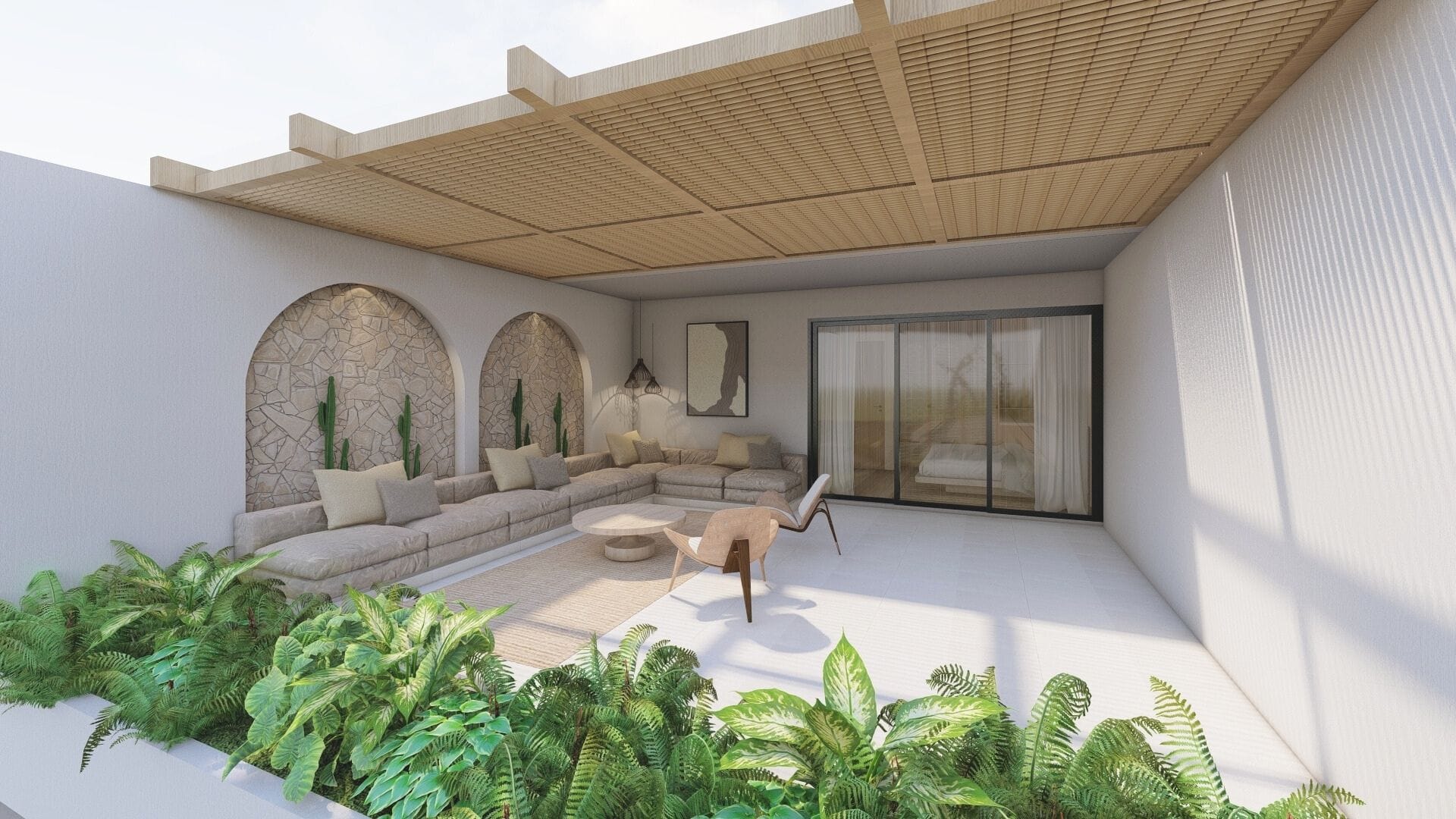
The best tropical villas blur the line between built and natural. Courtyards, gardens, and water features should not just surround the home — they should shape how it feels and functions. Shade trees reduce solar gain, native plants support the ecosystem, and thoughtful grading manages water flow naturally.
A smart approach treats the entire site as a single design system. This improves comfort, adds privacy, and helps the villa age gracefully in the environment.
Overlooking Roof and Drainage Design
In tropical climates, a poorly designed roof is more than a design flaw. It is a structural liability. Heavy rains, intense sun, and constant humidity put roofing systems to the test. When roof design and drainage are not planned properly, the results include leaks, mold, water damage, and structural decay.
Common issues include:
- Roofs without adequate overhangs exposing walls and windows to rain
- Flat or low-slope roofs that collect standing water
- Gutters that are too small or poorly placed
- Downspouts that drain directly into foundations or walking areas
An effective tropical roof design should provide deep shade, allow hot air to escape, and move rainwater away from the structure quickly and cleanly. Materials must be able to withstand UV exposure and constant moisture without degrading.
Drainage matters just as much as the roof itself. Water should never collect near foundations or landscaping. Grading, swales, and subsurface systems must be integrated from the beginning of the design process to ensure long-term performance.
Ignoring these elements leads to costly repairs and compromises the safety and comfort of the villa. Proper Engineering Design for is your solution to ensuring proper drainage and water flow mitigation.
Designing Without Flexibility or Long-Term Use in Mind
A tropical villa is more than a vacation property. It is a long-term investment. Designing only for short-term aesthetics or current trends limits its value, functionality, and adaptability. Many villas are built without considering how needs may change over time, or how the space can serve multiple purposes.
Here are the consequences of inflexible design:
- Rooms that cannot be adapted for different uses or future needs
- Rigid layouts that make renovations difficult or expensive
- Lack of infrastructure for future technology or systems
- Designs that age poorly as lifestyles or climates evolve
Tropical villas benefit from thoughtful planning that considers future growth, changes in occupancy, and potential rental use. Features like multi-purpose rooms, modular layouts, and easily upgradeable systems add real long-term value. Simple things like accessible storage, convertible guest spaces, and adaptable furniture layouts make a significant difference.
A smart design today should still work ten or twenty years from now, whether it is being used as a primary residence, a retreat, or a rental property. Flexibility protects the investment and supports sustainable living.
Conclusion

Tropical villa architecture demands more than good taste. It requires design decisions that respond to the climate, the land, and the people who will live there. The seven mistakes covered in this article are common, but they are avoidable with the right strategy and planning.
The key to success is in the details:
- Design for airflow and climate, not just appearance
- Keep layouts simple and functional
- Choose durable materials suited to heat and humidity
- Integrate the landscape early in the process
- Plan roofs and drainage with precision
- Build in flexibility for future needs
Tropical villas should feel effortless, but that ease is achieved through careful planning and Due Diligence. To see how professional architecture services can bring this vision to life, visit our Bali-based design team.
Frequently Asked Questions
1. What makes tropical villa architecture different from other styles?
Tropical villa architecture is driven by environmental performance rather than purely aesthetic intent. It prioritizes passive cooling, natural ventilation, and protection from sun and rain, while maintaining a strong relationship between indoor and outdoor spaces. The objective is to create comfort through design, not mechanical reliance.
2. How do I choose materials that last in tropical conditions?
Material selection should focus on durability under humidity, UV exposure, and biological factors such as mold and pests. Suitable options include treated hardwoods, natural stone, high-grade concrete, and breathable finishes. Materials that trap heat or retain moisture typically degrade faster and increase maintenance requirements.
3. Can I still use air conditioning in a well-designed tropical villa?
Yes, but it should function as a supplementary system rather than the primary cooling strategy. Effective tropical design reduces heat gain through shading, orientation, and airflow, allowing air conditioning to be used selectively—primarily in enclosed, private spaces such as bedrooms.
4. Is landscape design really that important?
Landscape design is integral, not secondary. It directly impacts microclimate, shading, drainage, and privacy. Proper planting strategies can significantly reduce ambient temperature, improve airflow, and enhance the overall spatial experience of the property.
5. What are some sustainable practices in tropical villa design?
Sustainability in this context is primarily achieved through passive design strategies and responsible material use. This includes optimizing orientation, maximizing natural ventilation, using locally sourced materials, integrating water management systems, and reducing reliance on energy-intensive systems.
6. What are the most common mistakes in tropical villa architecture?
Frequent errors include inadequate ventilation, excessive heat gain due to poor orientation, insufficient roof overhangs, and inappropriate material selection. Another common issue is designing enclosed, air-conditioned spaces without considering how the building performs when systems are not in use.
7. How important is building orientation in tropical design?
Orientation is a primary design driver. Positioning the building to minimize direct solar exposure, capture prevailing winds, and optimize shading conditions significantly improves thermal comfort and reduces operational costs.
8. How should roofs be designed for tropical villas?
Roofs should prioritize heat deflection, insulation, and water management. This typically involves pitched forms, generous overhangs, and ventilation layers to reduce heat transfer into interior spaces while efficiently managing heavy rainfall.
9. Can modern design styles work within tropical architecture principles?
Yes. Contemporary aesthetics can be successfully integrated, provided they respect climatic requirements. Clean lines and minimal forms must still incorporate shading, ventilation, and material strategies suited to tropical conditions to remain functional.
10. Should I hire a local architect for a tropical villa project?
Yes. Local expertise is critical for understanding climate behavior, material performance, and construction practices. A local architect can translate design intent into solutions that are both buildable and resilient within the specific environmental context.