

Sustainable Design in Bali
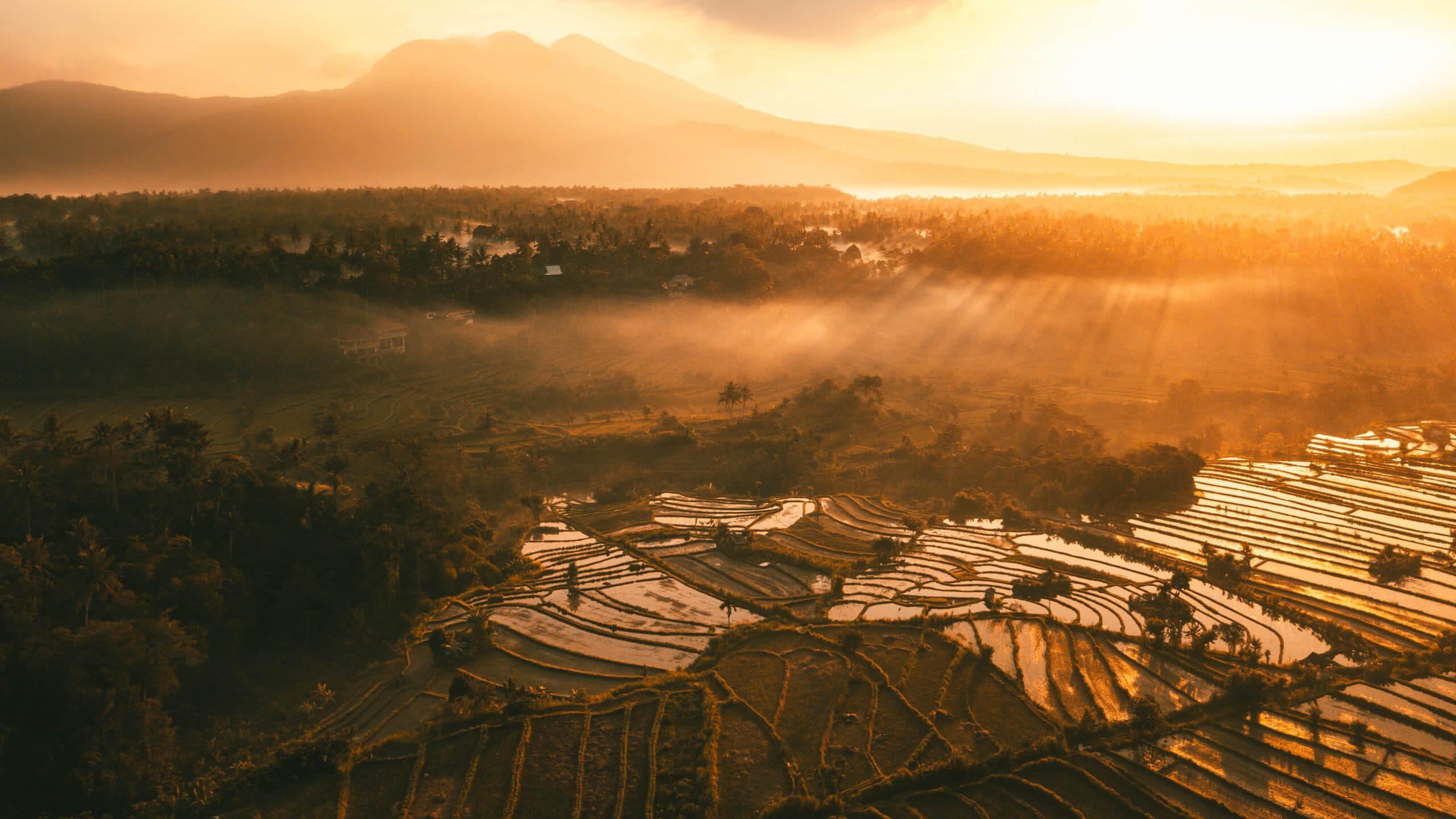
Sustainable design in Bali is more than a trend, it’s a necessity. With a tropical climate, fragile ecosystems, and increasing development pressure, the island demands smarter, greener, and more culturally aligned building practices. From passive cooling and natural ventilation to water conservation, solar integration, and local materials, sustainable strategies are shaping how projects are planned, designed, and delivered across the island.
But what does “sustainable design in Bali” really mean in practice? And how can you ensure your project meets both ecological standards and design excellence, without overcomplicating or greenwashing?
In this guide, we’ll break down the core principles of sustainable design specific to Bali, drawn from both global best practices and deep local insight. Whether you’re developing a private villa, a boutique resort, or a multi-unit investment property, this article will give you the clarity to:
- Understand which sustainability strategies truly work in Bali’s environment
- Align design decisions with climate, cost, and cultural context
- Identify green design myths vs. proven outcomes
- Make informed decisions — from concept to construction
If you’re planning a design or development project in Bali, this article is your strategic foundation for building smarter, more resilient, and more future-ready spaces.


Why Sustainable Design Matters in Bali
Bali’s environment is breathtaking, but also unforgiving. High humidity, extreme sun exposure, monsoonal rain, salty coastal air, and rising development density all challenge the performance and longevity of buildings. Without a sustainable approach, even well-designed properties suffer:
- Overheating and poor indoor comfort
- High energy bills (from constant air conditioning use)
- Mold, humidity damage, and material degradation
- Frequent maintenance issues from poor detailing or material mismatch
- Waterlogging and site runoff problems
- Increasing regulatory scrutiny and environmental backlash
In Bali, sustainable design is not just about being “green” it’s about building smarter for tropical realities. This approach affects every layer of your project, from cost control and comfort to marketability and compliance.
Benefits of Sustainable Design in Bali
Reduced energy use
Through passive cooling, thermal massing, natural ventilation, and thoughtful shading strategies — your project consumes far less electricity for air conditioning and lighting.
Lower lifecycle costs
Using materials suited to Bali’s environment reduces weathering, repainting, and replacements. Well-detailed roofs, drainage, and water systems minimize maintenance issues.
Increased indoor comfort
Humidity control, cross-ventilation, and noise buffering make villas and resorts feel more breathable, relaxing, and luxurious — which guests and long-stay tenants now expect.
Appeal to eco-conscious guests and investors
Global travelers increasingly seek responsible stays. Sustainable credentials boost visibility on booking platforms and align with growing ESG (Environmental, Social, Governance) investment criteria.
Future-proofing your asset
As Bali tightens zoning and environmental policies, having a property designed with low impact and efficiency in mind helps ensure smoother permitting, compliance, and longevity.
Site Orientation & Passive Cooling
One of the most powerful sustainability strategies starts well before the first brick is laid. Site orientation, how a building is positioned on the land, influences comfort, energy efficiency, and long-term resilience in Bali’s tropical climate.
By working with rather than against the natural environment, design teams can drastically reduce the need for air conditioning, prevent overheating, and create more enjoyable indoor/outdoor spaces.
Key Passive Cooling Strategies for Bali
Leverage prevailing winds
Align buildings to capture Bali’s dominant wind patterns (typically from the southeast) to enable natural cross-ventilation throughout internal spaces.
Orient key spaces away from direct sun
Position main windows, bedrooms, and living areas to avoid the intense western sun. North-south building orientations often perform best in the tropics.
Design with deep eaves, shading devices, and verandas
Large roof overhangs, horizontal louvers, and covered terraces help shade walls, reduce solar heat gain, and prevent UV damage to interiors.
Integrate transitional zones
Courtyards, breezeways, and buffer areas between indoor and outdoor spaces regulate temperature gradients and encourage air movement.
Minimize glazed west-facing walls
Glass absorbs and traps heat. Reducing west-facing glazing or using shaded solutions minimizes overheating during peak afternoon sun.
Elevate floors where possible
In certain topographies, raised structures (traditional in Balinese architecture) promote air circulation beneath the building, naturally cooling the structure.
These design decisions, made early in the planning phase, can reduce mechanical cooling loads by 30–50%, while improving occupant comfort and supporting a more authentic, open-air architectural experience.
Passive cooling isn’t just about reducing bills, it’s about building homes and resorts that feel more connected to Bali’s natural rhythms, while remaining durable and efficient year-round.
Materials: Local, Natural & Low-Impact

Material choices aren’t just aesthetic — they determine a building’s carbon footprint, longevity, indoor air quality, and environmental integrity. In Bali, where transport logistics are complex and the climate punishing, choosing the right materials is one of the most impactful decisions in sustainable design.
By sourcing consciously and designing for climate, developers and architects can drastically reduce environmental impact, while enhancing performance and longevity.
Strategies for Sustainable Material Use in Bali
Prioritize locally available and renewable resources
Opt for materials like bamboo, reclaimed teak, coconut wood, and natural stone, which are abundant in Indonesia and reduce the carbon cost of long-distance transport. These also blend beautifully with Bali’s cultural and visual identity.
Use low-VOC (Volatile Organic Compounds) products
Paints, adhesives, and finishes should be non-toxic and certified low-VOC to protect indoor air quality — essential in tropical builds with high ventilation needs and prolonged material off-gassing.
Reuse and upcycle wherever possible
Salvage timber, repurpose foundations, or integrate demolition debris into landscape or architectural features. Reuse reduces landfill waste and often adds unique character.
Minimize composites and plastics
Materials like PVC, laminate, and chemical-based composites tend to degrade faster in Bali’s UV-rich, high-humidity climate. Natural options often outperform and age more gracefully.
Design for durability and maintenance
Select finishes and materials that can withstand humidity, insects, salt air, and heavy rainfall. Materials that fail prematurely often result in energy-intensive repairs and replacements, which undermine sustainability.
Plan for long-term sourcing
Ensure materials (especially natural ones) are responsibly harvested and available for future expansions or repairs to maintain continuity and ethical sourcing practices.
In essence, sustainable material selection is about balancing performance, sourcing ethics, environmental impact, and lifecycle durability. It’s not always about choosing the trendiest green product — it’s about choosing what works best for Bali’s climate, people, and projects.
When done right, your material palette becomes an expression of both environmental responsibility and timeless island design.
Materials: Local, Natural & Low-Impact
In the tropical paradise of Bali, where the sun shines generously and trade winds provide a natural breeze, harnessing energy efficiently is more than just a design preference—it’s a necessity for long-term sustainability. As part of Bali’s green building movement, energy efficiency and renewable integration form a foundational pillar for sustainable design, aligning perfectly with both the island’s cultural ethos and its ecological realities.
Harnessing Bali’s Natural Climate for Passive Design
Designing for Bali’s climate begins with passive energy strategies that minimize the need for artificial heating or cooling. Orientation of buildings to capture prevailing breezes, cross-ventilation, and the use of thermal mass materials are hallmarks of passive architecture in Bali. These strategies not only reduce electricity consumption but also enhance indoor comfort naturally.
Roofs with wide overhangs, operable windows, and ventilated façades are commonly incorporated to shield interiors from direct sunlight and promote airflow. Many eco-resorts and villas in Ubud and Canggu exemplify this approach, using passive design to create serene environments that are both functional and beautiful.
Solar Power: From Supplement to Standard
Solar energy is increasingly becoming the go-to renewable resource in Bali. Thanks to its equatorial location, the island receives an average of 12 hours of daylight, making photovoltaic (PV) systems a highly efficient energy source.
Forward-thinking architects are now designing homes with rooftop solar arrays integrated into the initial plans—not as an afterthought. Solar panels are paired with smart inverters and battery storage to provide consistent power, even during outages. Solar-powered water heaters are also standard in many eco-villas, reducing dependency on fossil fuels.
Government initiatives, such as PLN’s net metering scheme, have also encouraged the adoption of solar energy in both residential and commercial sectors. These policies allow homeowners to sell excess power back to the grid, making solar not just sustainable but economically attractive.
Bioclimatic Architecture: Reducing Loads Before Producing Energy
A critical concept gaining momentum in Bali is bioclimatic architecture. This philosophy emphasizes adapting buildings to their environment before introducing mechanical systems. By reducing energy loads through smart design—such as insulating walls with natural materials like bamboo, thatch, or rammed earth—buildings require less energy to cool or light.
Architects often conduct environmental simulations before construction begins to map solar paths and wind directions. This proactive approach allows for the optimal placement of windows, skylights, and shading devices, reducing dependence on electric lighting and air conditioning.
Smart Technology Meets Sustainability
Modern Balinese villas are now blending traditional design with smart technology. Home automation systems enable residents to monitor and control energy usage in real time. From motion-sensor lighting to AI-powered thermostats and automated shading systems, these technologies reduce waste and improve efficiency.
Smart meters and home energy dashboards provide data that empowers occupants to make conscious choices about their energy habits. Some luxury resorts even use AI to monitor peak usage times and adjust operations accordingly, cutting unnecessary energy expenditures and enhancing operational sustainability.
Microgrids and Community Energy Solutions
Another exciting development in Bali’s renewable energy landscape is the emergence of microgrids. These decentralized energy networks allow communities—especially in remote or off-grid areas—to generate and manage their own electricity through solar, wind, or micro-hydro power.
The village of Sidemen, for example, has piloted a solar microgrid project that not only powers homes but also community centers and schools. These systems improve energy security while promoting community engagement in sustainability efforts.
Energy-Efficient Appliances and Green Certifications
Choosing energy-efficient appliances is a small yet impactful step that designers and homeowners in Bali are increasingly prioritizing. Devices with high Energy Star ratings, LED lighting systems, and induction cooktops are now commonly found in eco-conscious builds.
Many projects seek international green building certifications such as LEED, EDGE, or Green Building Council Indonesia (GBCI) ratings, which mandate strict energy efficiency criteria. These certifications not only validate a building’s environmental performance but also boost its market value and appeal to eco-minded travelers or property buyers.
Challenges in Renewable Integration
Despite the many advancements, Bali still faces several hurdles in fully integrating renewable energy. Infrastructure limitations, high upfront costs, and regulatory uncertainties sometimes slow down adoption. Moreover, not all regions have reliable grid access to support net metering or large-scale solar deployment.
However, collaborations between local NGOs, government agencies, and private developers are steadily addressing these gaps. Educational programs, incentives, and case studies of successful green buildings are encouraging more stakeholders to join the energy transition.
The Future is Net Zero
Looking ahead, the vision for sustainable design in Bali is rooted in net-zero energy buildings. These structures produce as much energy as they consume annually through a combination of ultra-efficient systems and renewable generation. Some pioneering resorts and eco-developments in Bali are already showcasing net-zero models, serving as inspiration for others across Southeast Asia.
Whether it’s a hillside retreat in Uluwatu or a bamboo villa in Tegallalang, Bali’s future in energy-efficient design is not just bright—it’s solar-powered.


Water Management & Rainwater Harvesting
As one of the most visited islands in the world, Bali faces increasing pressure on its natural resources—especially water. Despite its lush rainforests and seasonal monsoons, the island experiences severe water stress in many regions due to overdevelopment, unsustainable agriculture, and tourism-driven demand. In response, sustainable design in Bali is placing a strong emphasis on intelligent water management and rainwater harvesting systems to balance modern needs with ecological preservation.
Bali’s Water Crisis: A Growing Concern
The Balinese subak system—a centuries-old method of communal water management—was once the island’s pride and UNESCO-recognized cultural heritage. However, in recent decades, the expansion of resorts, villas, and monoculture farming has disrupted these traditional water networks. Rivers run dry during peak tourist seasons, aquifers are being depleted, and saltwater intrusion is becoming common in coastal areas.
To counteract this trend, architects and developers are increasingly integrating water-sensitive design strategies into modern buildings, creating structures that not only minimize consumption but actively contribute to water replenishment and sustainability.
Rainwater Harvesting: A Simple Yet Powerful Solution
Rainwater harvesting is one of the most efficient and scalable solutions being adopted across Bali. Given the island’s high annual rainfall—particularly during the wet season from November to March—capturing and storing rainwater provides an abundant, renewable water source for both residential and commercial uses.
Eco-conscious buildings are now designed with sloped roofs and gutter systems that channel rain into underground or above-ground storage tanks. This harvested rainwater is filtered and reused for non-potable applications such as irrigation, toilet flushing, laundry, and even showering (with proper treatment).
Some off-grid villas in Ubud and Sidemen are now fully water-independent, using only rainwater throughout the year, showcasing a viable blueprint for self-sufficiency.
Greywater Recycling for Efficient Reuse
In addition to rainwater harvesting, greywater systems are another innovative feature in sustainable design across Bali. Greywater—the gently used water from sinks, showers, and washing machines—can be filtered and reused for watering gardens or flushing toilets.
Sustainable villas and eco-resorts are incorporating natural filtration systems, such as reed beds and gravel filters, to treat greywater on-site without the need for complex mechanical infrastructure. This not only reduces the strain on freshwater supplies but also prevents wastewater from entering local rivers and coastal areas untreated.
Permeable Surfaces and Groundwater Recharge
One of the often-overlooked aspects of water management in Bali is groundwater recharge. When rainwater runs off impervious surfaces like concrete and asphalt, it bypasses the soil and flows directly into storm drains, leading to flooding and erosion while starving the aquifers below.
To address this, sustainable design now emphasizes the use of permeable paving materials—such as porous concrete, gravel, and grass pavers—that allow water to percolate into the ground. Landscaping is also designed with swales and retention ponds that slow runoff and direct it back into the earth, helping to replenish the water table.
Integrating Traditional Knowledge with Modern Innovation
Balinese architecture and culture have long embraced the harmonious use of natural resources. Today, many modern sustainable projects draw inspiration from traditional systems like Subak and combine them with contemporary technology.
For example, water temples and community-based irrigation systems are being revived alongside smart irrigation controllers, flow meters, and automated tank systems that ensure optimal water distribution with minimal waste. This hybrid approach not only improves efficiency but also preserves the spiritual and communal connection that Balinese people have with water.
Water-Saving Fixtures and Behavioral Design
Simple interventions can lead to massive savings. Low-flow faucets, dual-flush toilets, aerated showerheads, and sensor-activated taps are now standard in green buildings across Bali. These devices significantly reduce water consumption without compromising on functionality.
Moreover, sustainable design also encourages behavior change. Educational signage in eco-resorts or shared villas reminds guests to conserve water, while feedback systems (like digital meters or water usage dashboards) empower users to monitor and adjust their habits.
Designing for Flood Management and Climate Resilience
With the increasing frequency of extreme weather events and flooding due to climate change, water management in Bali must also focus on resilience. Buildings are now elevated, designed with flood barriers, and surrounded by water-absorbing landscapes that act as buffers during storms.
In coastal zones, some developers are using bioswales, mangrove reforestation, and constructed wetlands to control runoff, filter pollutants, and protect sensitive ecosystems from erosion and sea-level rise.
Community-Driven Water Stewardship
Sustainable water management isn’t just an architectural or engineering concern—it’s a community effort. Many local and expat-led initiatives are working to educate Balinese communities on rainwater harvesting, waste reduction, and aquifer preservation.
Organizations such as IDEP Foundation and EcoBali are actively training locals and providing the infrastructure to implement rainwater harvesting systems in schools, homes, and public buildings. These grassroots efforts are crucial in ensuri
Water Management & Rainwater Harvesting
One of the most pressing and visible sustainability challenges in Bali is the issue of waste—both solid and liquid. The island’s natural beauty is constantly threatened by growing volumes of trash, much of it improperly managed or disposed of in rivers, landfills, or the ocean. As a result, forward-thinking architects and developers are now prioritizing integrated waste management and septic system solutions as essential components of sustainable building practices in Bali.
Bali’s Waste Problem: More Than Just Litter
Each year, Bali produces thousands of tons of waste, much of which comes from the tourism sector. Inadequate infrastructure, limited recycling facilities, and poor enforcement of regulations have historically resulted in widespread illegal dumping and burning of trash—both environmentally hazardous practices.
Plastic waste is especially problematic, often ending up in waterways and eventually the ocean. This not only affects marine ecosystems but also damages the island’s image as a pristine destination. In response, many sustainable design projects are now tackling waste at the source.
Designing with Zero Waste Principles
Sustainable design in Bali increasingly adopts the principles of zero waste—designing systems where waste is minimized, reused, or recycled in a closed-loop cycle. This begins during construction, where materials are carefully selected and sourced to reduce packaging and offcuts. Prefabrication and modular construction methods are also gaining popularity as they reduce onsite waste generation significantly.
Once the building is operational, waste separation becomes critical. Many eco-conscious villas and resorts now provide triple-bin systems for organic, recyclable, and non-recyclable materials, along with signage to guide users. Some even go a step further with composting stations and upcycling workshops that turn waste into useful materials or decorative elements.
Organic Waste Composting: Turning Trash into Treasure
Organic waste accounts for a significant portion of Bali’s solid waste, especially in residential homes and food-service operations. Rather than sending this nutrient-rich material to landfill—where it contributes to methane emissions—sustainable homes and resorts now incorporate composting as a key waste management strategy.
From small-scale bokashi bins to full aerated composting systems, these setups transform kitchen and garden waste into fertile compost used for landscaping or edible gardens. Several eco-communities in Bali, such as those in Abiansemal or Ubud, have made composting an everyday habit, demonstrating that sustainable living can be both efficient and regenerative.
Recycling and Repurposing Materials
Though Bali lacks a comprehensive government-run recycling program, many private and NGO-led initiatives have stepped up to fill the gap. Organizations like EcoBali, Merah Putih Hijau, and Role Foundation work with sustainable developers to ensure proper sorting, collection, and recycling of glass, paper, plastic, and metal.
Designers also embrace creative reuse, incorporating recycled materials directly into the architecture—like bottle walls, reclaimed wood beams, or metal paneling. This not only reduces demand for new resources but also celebrates the art of transformation, blending function with storytelling.
Building with Waste in Mind
An essential part of waste-conscious design is material foresight—planning for a building’s lifecycle, including eventual deconstruction. By using detachable joints, modular elements, and biodegradable finishes, buildings can one day be disassembled without producing massive waste. This cradle-to-cradle philosophy ensures today’s structures don’t become tomorrow’s landfills.
Innovative Septic Systems for Liquid Waste
Beyond solid waste, liquid waste management—particularly human waste—is a growing concern in Bali, where traditional septic systems are often outdated or improperly maintained. Poorly designed or overflowing septic tanks can leach into groundwater, spread pathogens, and contaminate drinking sources.
To counter this, sustainable developments are now turning to eco-friendly septic solutions such as:
- Biogas Septic Tanks: These systems break down human waste anaerobically and convert it into usable biogas for cooking or heating. They reduce methane emissions and provide clean energy at the same time.
- Constructed Wetlands: Natural filtration systems that use aquatic plants and gravel beds to treat greywater and blackwater before it is discharged or reused.
- Composting Toilets: Especially effective in remote or off-grid locations, these toilets separate solids and liquids and use aerobic decomposition to safely manage waste without water.
These technologies are not only more environmentally friendly but also help reduce the strain on Bali’s fragile water systems.
Community Waste Hubs and Education
Waste management is not just a technological challenge—it’s a cultural one. That’s why many sustainable projects in Bali are integrating community waste education programs alongside their architectural features. Shared waste stations, recycling hubs, and educational signage are becoming common in eco-villages and resorts, teaching both residents and visitors how to sort, reduce, and responsibly dispose of their waste.
Some developments even host weekly waste workshops, where locals learn how to make eco-bricks, build compost bins, or create products from recycled plastic—empowering people with the skills to be active participants in the sustainability movement.
The Role of Policy and Partnerships
While individual efforts are critical, real change also requires collaboration between private developers, NGOs, and government bodies. Bali is slowly moving towards stricter waste management regulations, including bans on single-use plastics and incentives for sustainable waste systems.
Many successful projects—like Green School, Desa Potato Head, and Bambu Indah—work hand-in-hand with local waste organizations to implement large-scale, integrated systems that serve as models for the rest of the island.
Landscape and Integration

Landscape and Integration
In Bali, the landscape is more than just a scenic backdrop—it’s an intrinsic part of the island’s identity, spiritual beliefs, and ecological balance. True sustainable design here isn’t about building on the land, but building with it. Landscape and integration play a fundamental role in shaping how structures coexist with nature, ensuring that architecture enhances rather than disrupts the natural rhythms of Bali’s ecosystems.
The Balinese Philosophy of ‘Tri Hita Karana’
At the core of Bali’s cultural and ecological integration lies the ancient concept of Tri Hita Karana, which translates to the “Three Causes of Well-being”: harmony with people, harmony with nature, and harmony with the divine. This principle guides not only daily life but also how buildings are designed and placed in the landscape.
Unlike Western approaches that often impose geometry on the terrain, Balinese design adapts to the contours of the land, respecting water flows, sacred sites, and community needs. This integration creates a more balanced and less intrusive architectural footprint—an approach that modern sustainable projects are now embracing.
Designing with Topography, Not Against It
Rather than flattening hillsides or altering floodplains, sustainable developments in Bali work with the land’s natural contours. Buildings are often stepped into slopes, preserving views and minimizing excavation. Retaining walls are built from local stone, and walkways follow natural gradients rather than creating artificial stairs or paths.
This topographic sensitivity not only protects native soil and vegetation but also helps manage rainwater runoff, reduce erosion, and maintain the island’s distinctive visual aesthetic.
Preserving and Enhancing Native Biodiversity
One of the key goals in landscape integration is to preserve existing ecosystems. Rather than clearing plots completely, sustainable builders identify and protect existing trees, shrubs, and wildlife corridors during construction. Many properties are designed around mature trees, with structures elevated or shaped to accommodate their growth.
Moreover, landscaping choices favor native plant species that are drought-tolerant, non-invasive, and beneficial to local pollinators and wildlife. These plants require minimal irrigation and care, aligning perfectly with water conservation goals.
Edible Gardens and Agroecological Design
A rising trend in Bali’s sustainable landscape design is the inclusion of edible gardens and permaculture zones. These not only provide food for residents and guests but also support local food security and reduce the carbon footprint of transportation.
Projects such as Green Village and Kul Kul Farm demonstrate how edible landscaping can coexist with luxury and aesthetics. Bananas, papayas, lemongrass, cassava, and leafy greens are woven into the surroundings—not hidden away in fenced-off gardens, but displayed proudly as part of the architecture.
Open-Air Living and Indoor-Outdoor Flow
Sustainable design in Bali blurs the line between indoors and outdoors. Rather than enclosing spaces, many homes and resorts use open pavilions, folding walls, and floor-to-ceiling glazing that allow seamless transitions between living areas and gardens.
This indoor-outdoor integration enhances natural ventilation, reduces the need for artificial lighting, and encourages interaction with the natural world. The landscaping becomes an active part of the dwelling experience, changing with the seasons, weather, and time of day.
Use of Local Materials for Landscape Structures
From bamboo pergolas and coconut timber decking to volcanic stone pathways and thatch-roofed gazebos, landscape elements are crafted using local, low-impact materials. These materials not only reduce emissions and transport costs but also age gracefully and blend into the natural setting.
Dry-stack stone walls, bamboo trellises, and clay-based natural finishes complement the greenery, ensuring that built elements feel like extensions of the earth rather than interruptions.
Sacred Spaces and Cultural Sensitivity
In Balinese culture, certain landscape features—like rivers, banyan trees, and mountain-facing axes—carry deep spiritual significance. Sustainable projects honor these elements by integrating shrines, ceremonial paths, and community gathering spaces that respect these traditions.
Rather than removing or ignoring sacred landmarks, developers consult with local communities and priests to ensure proper orientation and alignment, fostering a deeper connection between modern use and ancient wisdom.
Microclimates and Shading through Landscape Design
Planting strategies are now used intentionally to shape microclimates that reduce energy consumption. Dense vegetation provides natural shading, cooling surrounding areas and reducing heat gain in buildings. Vines on trellises, green roofs, and living walls are used to block sunlight and lower indoor temperatures naturally.
This layered planting approach mirrors the structure of tropical forests—creating upper, middle, and ground-level canopies that regulate humidity and encourage biodiversity.
Regenerative Landscaping and Soil Health
More than just low-impact, some projects are going beyond sustainability into regeneration—actively improving the land through better landscaping practices. Techniques like biochar soil enrichment, compost tea irrigation, and swale-based planting restore soil health and increase carbon sequestration.
These regenerative landscapes not only beautify spaces but also heal degraded land, increase water retention, and create resilient ecosystems.
Landscape Lighting with Minimal Impact
In sustainable landscape design, outdoor lighting is used thoughtfully to reduce energy use and protect nocturnal wildlife. Low-voltage, solar-powered lights with downward-facing fixtures minimize light pollution and preserve Bali’s star-filled skies.
In many properties, motion-activated garden lights and pathway markers replace traditional, always-on lighting systems, offering both functionality and environmental stewardship.
Long-Term Maintenance & Lifecycle Costing
Sustainable design is not just about choosing eco-friendly materials or integrating renewable energy—it’s about thinking long-term. In Bali, where humidity, salt air, and tropical weather can take a toll on structures, long-term maintenance and lifecycle costing become crucial to ensure that sustainable buildings remain resilient, efficient, and cost-effective over time.
Why Lifecycle Thinking Matters in Sustainable Design
Lifecycle costing involves evaluating the total cost of ownership of a building or component—from design and construction through use, maintenance, and eventual decommissioning. In contrast to conventional budgeting, which often emphasizes initial costs, lifecycle costing provides a realistic, long-view picture of financial and environmental impact.
By analyzing the durability, maintenance needs, and energy performance of building elements, developers and owners can make more informed choices that balance upfront investment with long-term savings.
Materials That Last in Bali’s Tropical Climate
Bali’s humid environment, monsoonal rains, and coastal salt air can deteriorate poorly chosen materials quickly. Sustainable designers now opt for climate-appropriate materials that offer durability with minimal upkeep:
- Bamboo, when treated properly, can last for decades and resists pests and mold.
- Teak and Ironwood naturally resist rot and insects, making them ideal for exterior applications.
- Volcanic stone, lime plaster, and compressed earth blocks offer breathable, low-maintenance finishes that age gracefully in tropical settings.
- Galvalume or aluminum roofing withstands heavy rains and sun exposure better than standard steel.
- Using locally sourced materials also reduces transport-related wear and matches the performance of native resources that have evolved with the environment.
- Designing for Easy Maintenance
Smart sustainable design accounts for ease of access and repairability. Elevated structures reduce moisture damage and make plumbing or septic maintenance easier. Removable panels, modular systems, and exposed service lines allow for simpler inspections and replacements.
Other strategies include:
- Rain-screen cladding to protect exterior walls while allowing air circulation.
- Overhangs and shading devices that minimize UV degradation and wall staining.
- Passive ventilation systems that reduce mold risk and the need for dehumidifiers.
These features reduce the need for constant repairs and help preserve the building’s function and aesthetics over the years.
Energy Systems with Predictable ROI
Renewable energy systems, particularly solar power and biogas units, are central to Bali’s sustainable architecture. But their economic performance over time depends on appropriate sizing, installation, and maintenance planning.
Lifecycle costing helps determine:
- Payback periods for solar PV systems (typically 5–8 years in Bali’s sunny climate).
- Cost of inverter or battery replacement after 10–15 years.
- Annual cleaning and inspection costs.
- Integration with smart meters to optimize energy efficiency.
- By mapping out these costs and savings over time, developers can show clients that sustainable choices are not just good for the planet—they’re financially sound investments.
Water and Waste Infrastructure with Longevity
Water systems—rainwater harvesting, greywater recycling, and septic—also benefit from lifecycle analysis. Choosing high-quality storage tanks, UV filtration units, and composting toilets may involve a higher initial investment but significantly lower operating and replacement costs.
For example, bio-septic systems might last over 20 years with minimal maintenance, whereas conventional septic tanks often fail without frequent pumping or repairs.
Similarly, irrigation systems that are designed around local rainfall patterns and native plant needs reduce water bills, prevent overwatering, and require fewer replacements of pumps or emitters.
Maintenance Schedules as Part of Sustainable Planning
Sustainability is only achievable when systems are actively maintained. More projects in Bali now include detailed operations and maintenance (O&M) manuals as part of their handover. These include:
- Inspection timelines for solar panels and septic tanks.
- Replacement schedules for filters, lighting, and HVAC parts.
- Guides for maintaining natural materials like bamboo or reclaimed wood.
- Logs for water usage and energy performance.
Providing this information helps owners, staff, or residents sustain the performance of eco-systems without relying on trial-and-error.
Digital Tools and Smart Monitoring
Technology now plays a critical role in sustainable maintenance. IoT-based sensors and home automation systems track energy use, detect leaks, and predict when maintenance is due. These tools reduce downtime, prevent failures, and optimize building performance—essential in Bali, where remote locations and limited access to specialized services can delay traditional maintenance.
Apps that monitor solar output, water levels in tanks, or air quality help residents stay informed and proactive.
Economic Benefits of Lifecycle Costing
Beyond sustainability, lifecycle costing offers concrete financial benefits:
- Reduced operational costs: Lower energy and water bills over time.
- Extended asset lifespan: Fewer replacements mean lower capital expenditures.
- Higher resale value: Buyers and investors are increasingly looking for properties with proven sustainability and lower total cost of ownership.
- Eligibility for green certifications: LEED, EDGE, and GBCI all value lifecycle assessments, often awarding points toward certification.
In Bali’s competitive property market—where differentiation is key—this long-term economic advantage gives sustainable developments an edge.
Education and Owner Engagement
One of the biggest challenges in sustainable maintenance is awareness. Sustainable buildings require a shift in mindset—from reactive fixes to proactive care. That’s why many eco-developments now include owner orientation programs, regular check-ins, and access to trusted local maintenance providers trained in eco-friendly systems.
This builds trust, ensures continuity of care, and supports a culture of sustainability that lasts well beyond construction.


Ventilation, Indoor Air Quality & Climate Adaptation
In tropical regions like Bali, where high humidity, heat, and seasonal rains define the environment, buildings must do more than shelter — they must breathe. Poor ventilation and air quality not only affect human health but also degrade building materials, encourage mold growth, and reduce energy efficiency. That’s why ventilation, indoor air quality (IAQ), and climate adaptation are essential pillars of sustainable architecture in Bali.
The Tropical Climate Challenge
Bali’s climate offers unique design opportunities, but also clear challenges:
- High humidity (often 80%+) can cause condensation, mold, and discomfort.
- Temperature fluctuations demand adaptable building envelopes.
- Monsoon rains create seasonal dampness that needs to be managed smartly.
- Limited air pollution control in dense areas (e.g., urban Denpasar or Canggu) can lead to poor outdoor air quality filtering indoors.
Rather than fighting the climate with energy-hungry air conditioning, sustainable design embraces passive cooling, natural ventilation, and material breathability to achieve comfort and resilience.
Passive Ventilation: The Foundation of Comfort
The first line of defense in climate-responsive design is passive ventilation. This includes architectural strategies that harness the natural flow of air to cool and refresh interior spaces without the need for mechanical systems.
Some key strategies used in Bali include:
- Cross-ventilation: Aligning openings on opposite walls to allow fresh air to pass through.
- Stack effect: Using vertical ventilation (e.g., clerestory windows or ventilation towers) to push hot air upward and out.
- Louvered panels and operable windows: Providing flexibility to adjust airflow as needed, even during rain.
- Raised floors and open eaves: Enhancing circulation under and around structures.
These features are not only energy-efficient but culturally harmonious, echoing traditional Balinese bale structures that were always open to air.
Material Choices for Better Indoor Air Quality
A lesser-known contributor to poor IAQ is off-gassing from synthetic building materials. In Bali’s humid climate, VOCs (volatile organic compounds) linger longer, potentially causing health problems over time.
Sustainable projects now prioritize low-VOC paints, natural finishes, and organic insulation (such as cork or coconut fiber) to maintain indoor air purity.
Materials like bamboo, lime plaster, reclaimed wood, and terracotta tiles are naturally breathable and help regulate moisture without emitting harmful chemicals—ideal for both sustainability and occupant health.
Green Roofs and Living Walls for Air Filtration
Innovative designs in Bali are integrating green roofs and living walls to boost air quality while regulating temperature. These planted surfaces:
- Absorb CO₂ and release oxygen.
- Trap airborne particles and dust.
- Provide thermal insulation and reduce heat gain.
- Act as natural humidifiers and dehumidifiers.
In dense areas like Ubud or Seminyak, these features also buffer noise pollution and offer a serene microclimate in busy neighborhoods.
Humidity Management Without Over-Air Conditioning
Overuse of air conditioning can lead to moisture imbalance, condensation, and even mold if not paired with dehumidification strategies. Instead of relying solely on AC units, sustainable designs use:
- Ceiling fans and ventilation louvers to keep air moving.
- Dehumidifiers powered by solar systems for efficient moisture control.
- Breathable wall finishes like lime or clay that naturally absorb and release moisture.
- This reduces the load on cooling systems and keeps interiors dry and healthy.
Health Benefits of Clean Indoor Air
Indoor air quality directly impacts well-being. Poor ventilation is linked to:
- Respiratory issues.
- Headaches, fatigue, and irritation.
- Accelerated spread of airborne pathogens.
In eco-resorts and villas in Bali that host wellness retreats or long-term stays, IAQ is now a selling point. From salt lamps and air-purifying plants to filtered air intakes and scent-infused airflow systems, design is used to support not just physical comfort, but emotional calm and health.
Climate Adaptation Through Architecture
Bali’s changing climate—with increasingly intense rains, heatwaves, and even haze from regional fires—demands buildings that are resilient and flexible.
Climate-adaptive architecture in Bali now includes:
- Overhangs, pergolas, and retractable awnings for flexible shading.
- Ventilated roofs with heat reflectors or radiant barriers.
- Thermal mass elements (like stone walls or polished concrete floors) that absorb heat during the day and release it slowly at night.
- Screens and shading devices that allow light and air in but block harsh sun.
These strategies help residents adapt to a variety of conditions throughout the year, reducing dependency on mechanical systems.
Monitoring IAQ with Smart Tech
Eco-conscious homes and resorts in Bali are starting to install smart indoor air monitors that track CO₂, humidity, and pollutant levels in real time. Paired with smart ventilation systems or alerts, these devices help residents manage air quality proactively.
Solar-powered fans, automated skylights, or humidity-triggered vents are also being introduced to create intelligent, self-regulating environments.
Cultural & Environmental Sensitivity
Sustainable design in Bali goes far beyond low carbon footprints or energy efficiency — it requires a deep respect for the land, people, and traditions that define the island. Architects and developers who work here must navigate a delicate balance between modern sustainability practices and centuries-old cultural beliefs, ensuring that every project is rooted in both ecological awareness and cultural humility.
Why Cultural Sensitivity Matters in Bali
Bali is not just a tourist destination; it’s a living, breathing spiritual landscape governed by rituals, offerings, and a unique way of life. The Balinese worldview is guided by Tri Hita Karana, the philosophy of harmony between humans, nature, and the divine. Buildings and communities are structured not merely for function, but in alignment with sacred principles, local cosmology, and communal values.
For sustainable design to be truly accepted and impactful in Bali, it must honor this spiritual fabric and avoid imposing foreign aesthetics or construction methods without consideration of local meaning.
Traditional Spatial Orientation: The Concept of “Kaja-Kelod”
Balinese homes and temples are traditionally arranged using the kaja-kelod axis:
- Kaja (toward the mountains): considered sacred and reserved for temples or ancestral shrines.
- Kelod (toward the sea): associated with purification and sometimes less sacred uses like waste areas.
Sustainable projects that integrate this spatial understanding in their layouts gain not only cultural legitimacy but also spiritual resonance. For example, placing rest areas or sacred altars in the “kaja” direction, or aligning gardens along “kelod,” reflects local wisdom and social acceptance.
Environmental Sensitivity as a Spiritual Act
Nature in Bali is not seen as a resource to be used, but as a living entity to be respected. Trees, rivers, rocks, and even certain landforms are believed to be inhabited by spirits. Cutting down a tree or rerouting a stream isn’t just a physical act — it can be a spiritual violation.
Environmentally sensitive design in Bali must:
- Preserve existing sacred trees or integrate them into the architecture.
- Avoid building over water sources considered sacred.
- Use local rituals (e.g., melaspas) to bless the site before construction.
This conscious collaboration with the environment — asking permission before building — forms the spiritual core of what it means to design responsibly in Bali.
Local Artisanship and Cultural Continuity
Many eco-conscious developers now collaborate with Balinese artisans to integrate local craftsmanship into modern structures. From hand-carved doors and stone reliefs to woven bamboo panels and batik textiles, these elements bring cultural authenticity while supporting local economies.
Instead of importing foreign aesthetics, these designs elevate indigenous knowledge systems and celebrate Bali’s rich visual language.
Even modern resorts like Bambu Indah or Desa Potato Head incorporate Balinese ceremonial symbolism, traditional materials, and local techniques to create spaces that are both contemporary and respectful.
Language, Labor & Fair Practice
Cultural sensitivity also extends into construction practices. Ethical developers in Bali ensure that:
- Labor is fairly compensated, especially for local workers.
- Traditional building knowledge is documented and preserved.
- Local languages and customs are respected on job sites.
These practices build trust with the community and foster long-term partnerships, ensuring that sustainability is not just environmental, but social.
Avoiding “Greenwashing” Through Local Consultation
Foreign developers often fall into the trap of “greenwashing” — creating buildings that look eco-friendly but are culturally tone-deaf or environmentally damaging. This can lead to local backlash, protests, or even shutdowns.
To avoid this, sustainable projects should:
- Engage local elders, priests, and community leaders in the planning process.
- Conduct land-use studies and cultural assessments before design begins.
- Avoid overdevelopment in sensitive areas (e.g., rice terraces, sacred groves, and near temples).
By embedding these practices, developers create buildings that are truly sustainable, spiritually aligned, and socially embraced.
Sustainability as a Cultural Bridge
When done well, sustainable design becomes a bridge between cultures—a dialogue between tradition and innovation. It demonstrates that you can build modern, high-performing spaces without erasing heritage, and that respecting the past is essential for building a resilient future.
More importantly, it reinforces the idea that sustainability in Bali isn’t imported — it’s inherited, deeply embedded in the island’s rituals, community systems, and sacred geography.

Conclusion
Sustainable design in Bali is not a trend — it’s a responsibility, a philosophy, and a return to balance. As development on the island continues to grow, the path forward must be one that honors both nature and culture, ensuring that Bali remains not only a global travel icon but also a model of regenerative living.
From energy efficiency and water conservation to cultural sensitivity and long-term resilience, every aspect of sustainable design plays a vital role in shaping a future that’s not only ecologically sound but also spiritually aligned with the Balinese way of life.
This isn’t just about minimizing harm — it’s about maximizing harmony: with the climate, the landscape, the local communities, and the island’s ancient wisdom. Whether you’re an architect, builder, developer, or conscious traveler, embracing these principles doesn’t just create better buildings — it contributes to a legacy of respect, stewardship, and sustainability for generations to come.
Bali has always known how to live with nature. Now, it’s showing the world how to build with it.